-
What the course is
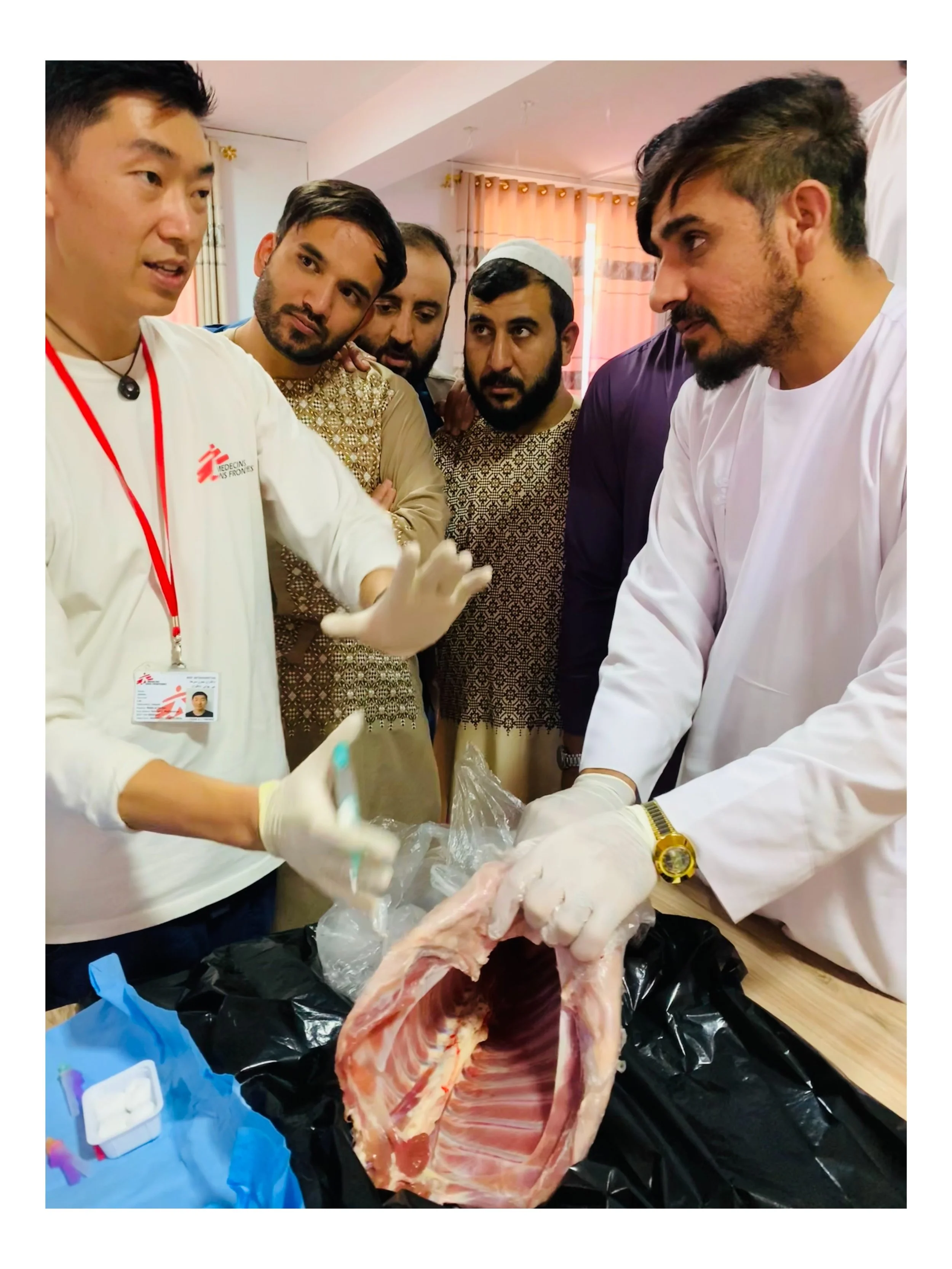
This is an introductory course into clinical humanitarian medicine designed by medical specialists with practical experience in the field. The course curriculum provides core content but works beyond didactic lectures and allows for discussion around the nuance in humanitarian medicine and applying them to context.
We will cover clinical topics that are more commonly experienced in the global south but are exceptionally rare in Ireland.
We will also touch on important issues such as teaching & research, humanitarian ethics, and climate change and its impact on humanitarian emergencies.
-
What the course is not
This is not a Preparation for Primary Departure (PPD) course. Most humanitarian organisations will provide PPD courses which will include important non-clinical topics - these are essential courses but do not typically involve clinical content.
This is not a standard resuscitation course. You will not hear the acronym ABCDE once.
This is not a replacement for the Diploma in Tropical Medicine & Hygiene (DTMH) or the Masters in Public Health/Global Health. One could consider these a form of entry and exit exam for the sub-specialty of humanitarian healthcare.
-
Who this course is for
This course is for healthcare workers with an interest in pursuing a career in humanitarian medicine. The course is designed in a way that it can be delivered to those with a range of experience and across disciplines.

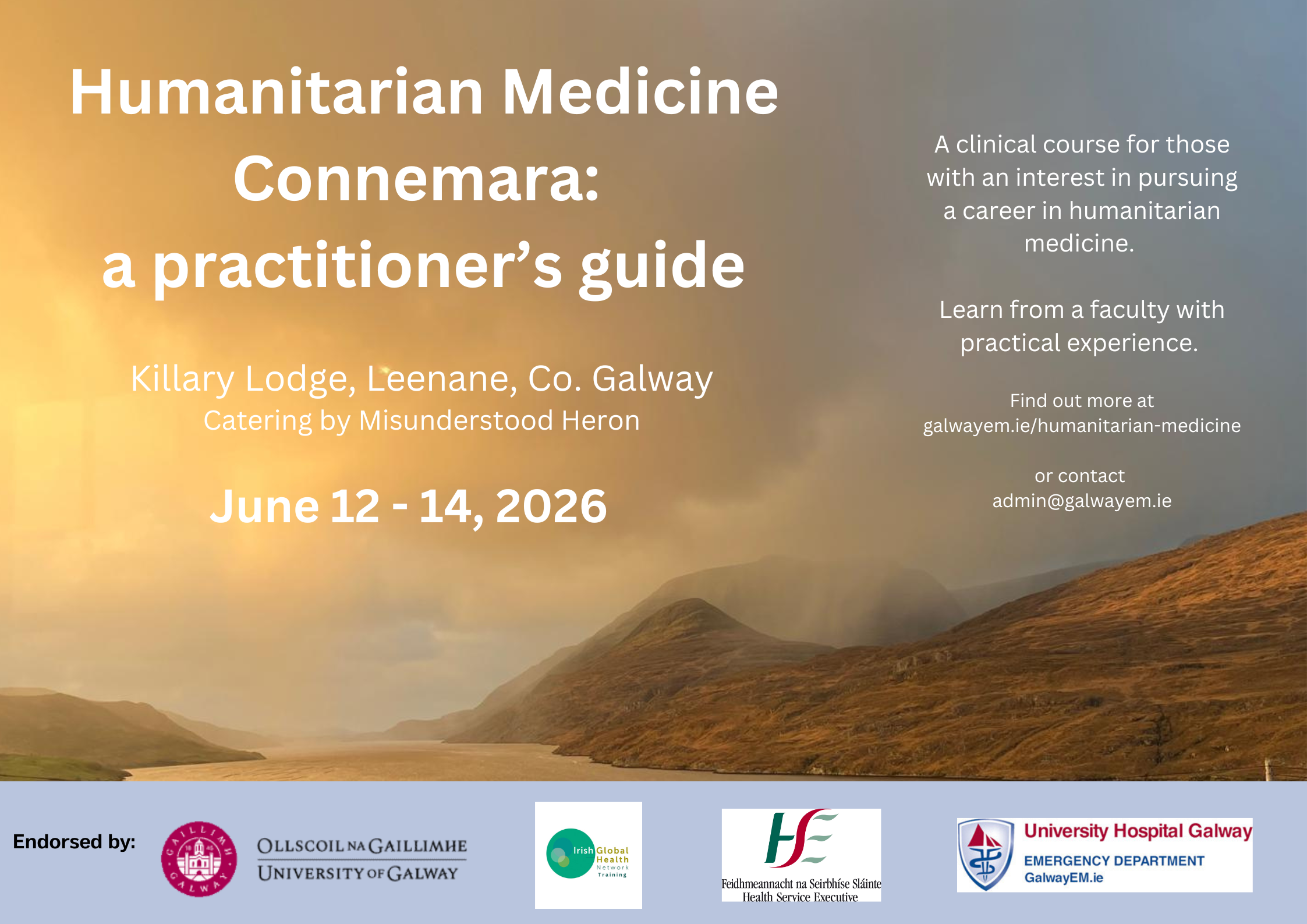
When: June 12 - 14, 2026
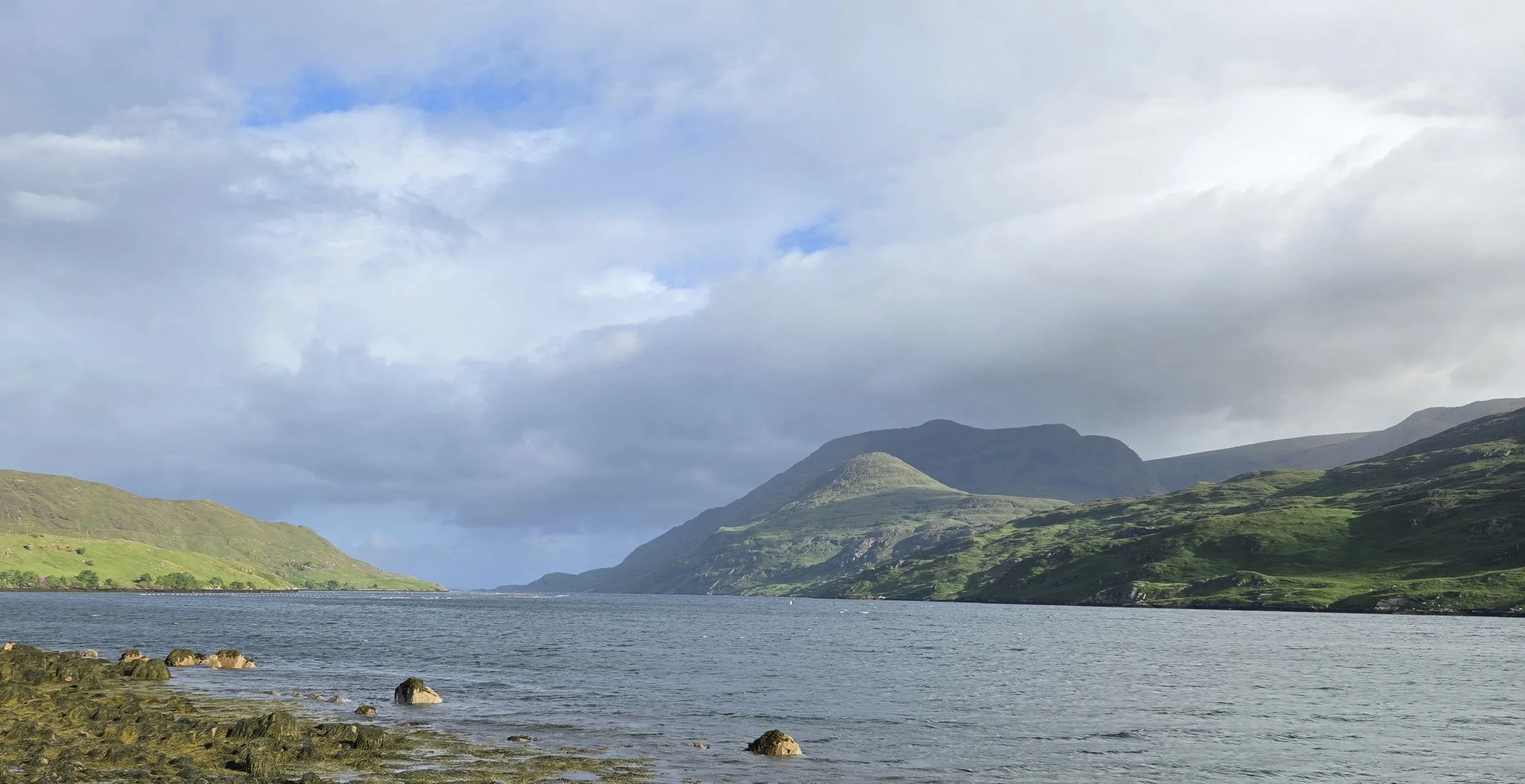
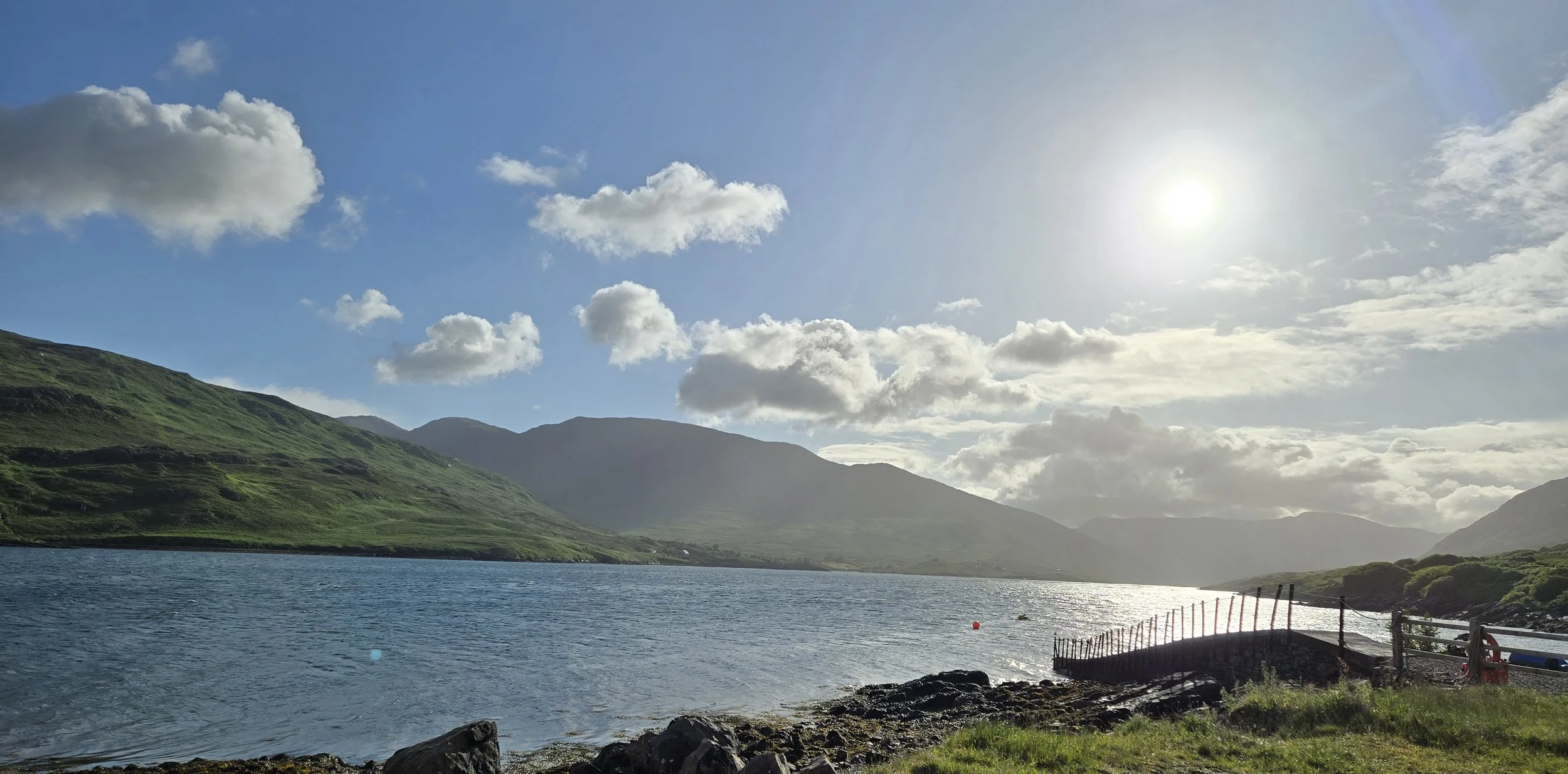
Where: Killary Lodge, Leenane, Co. Galway, Ireland
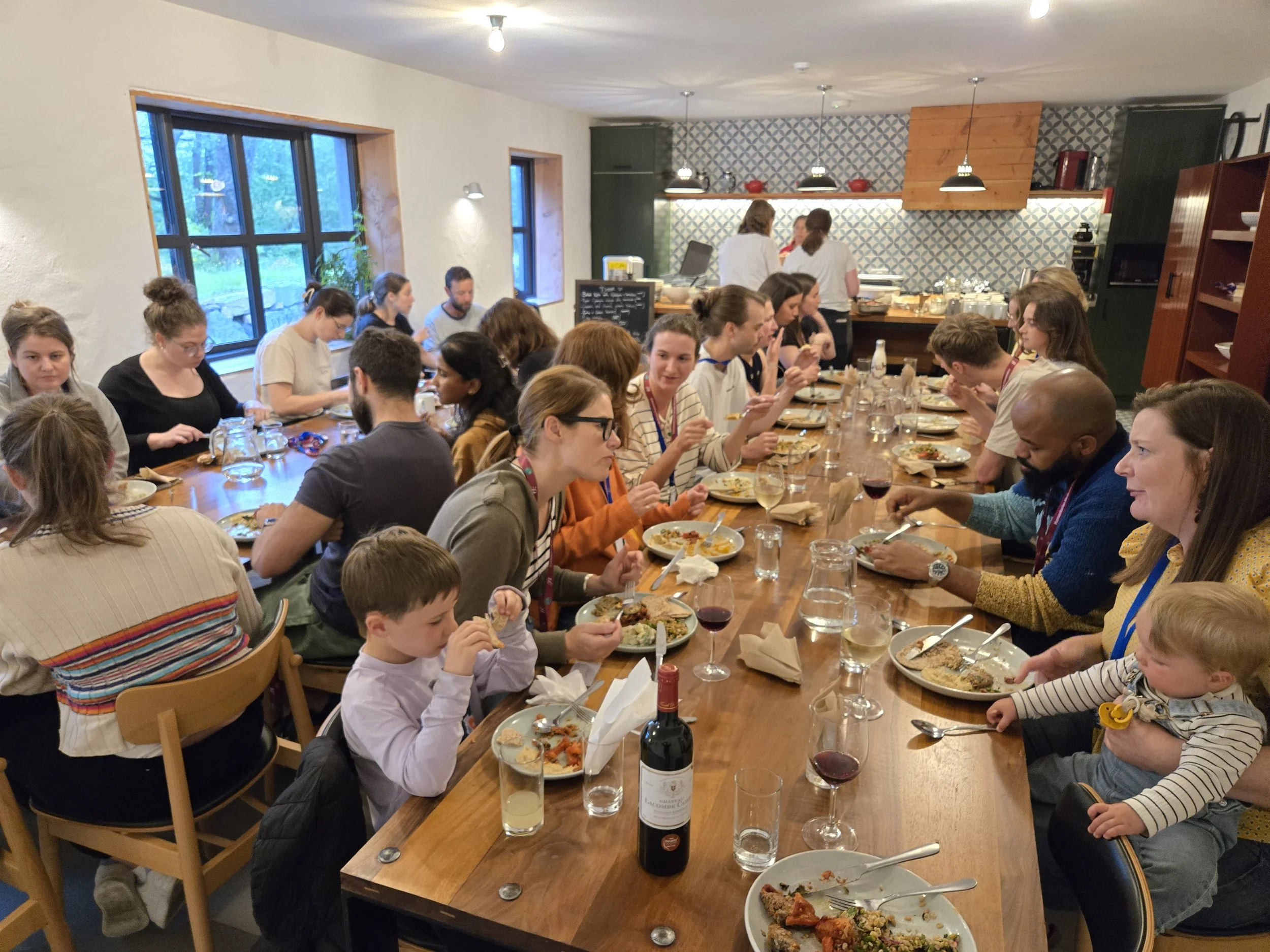
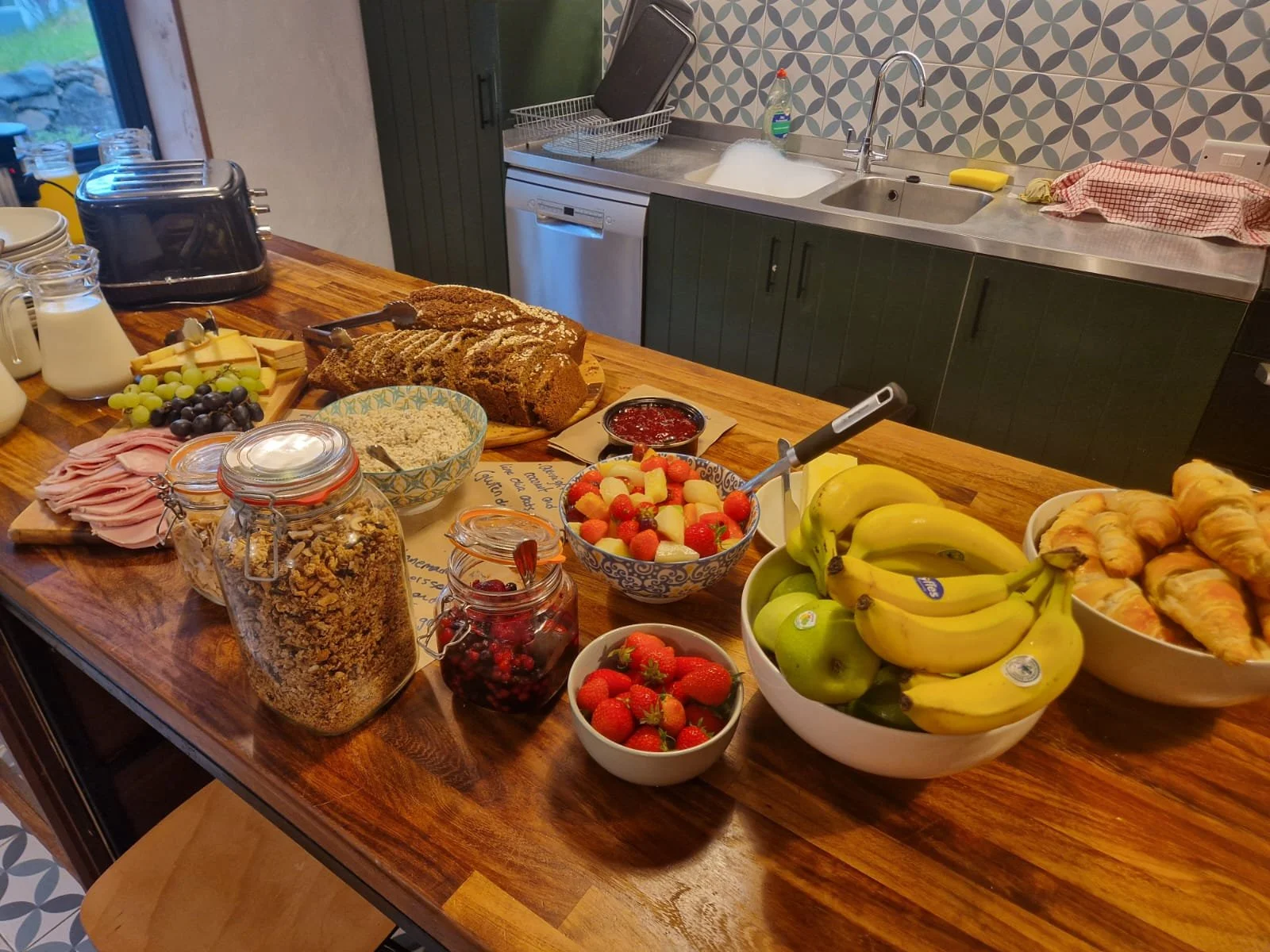
All meals provided by the award-winning Misunderstood Heron https://www.misunderstoodheron.com/
Cost: €950
What you get on the course:
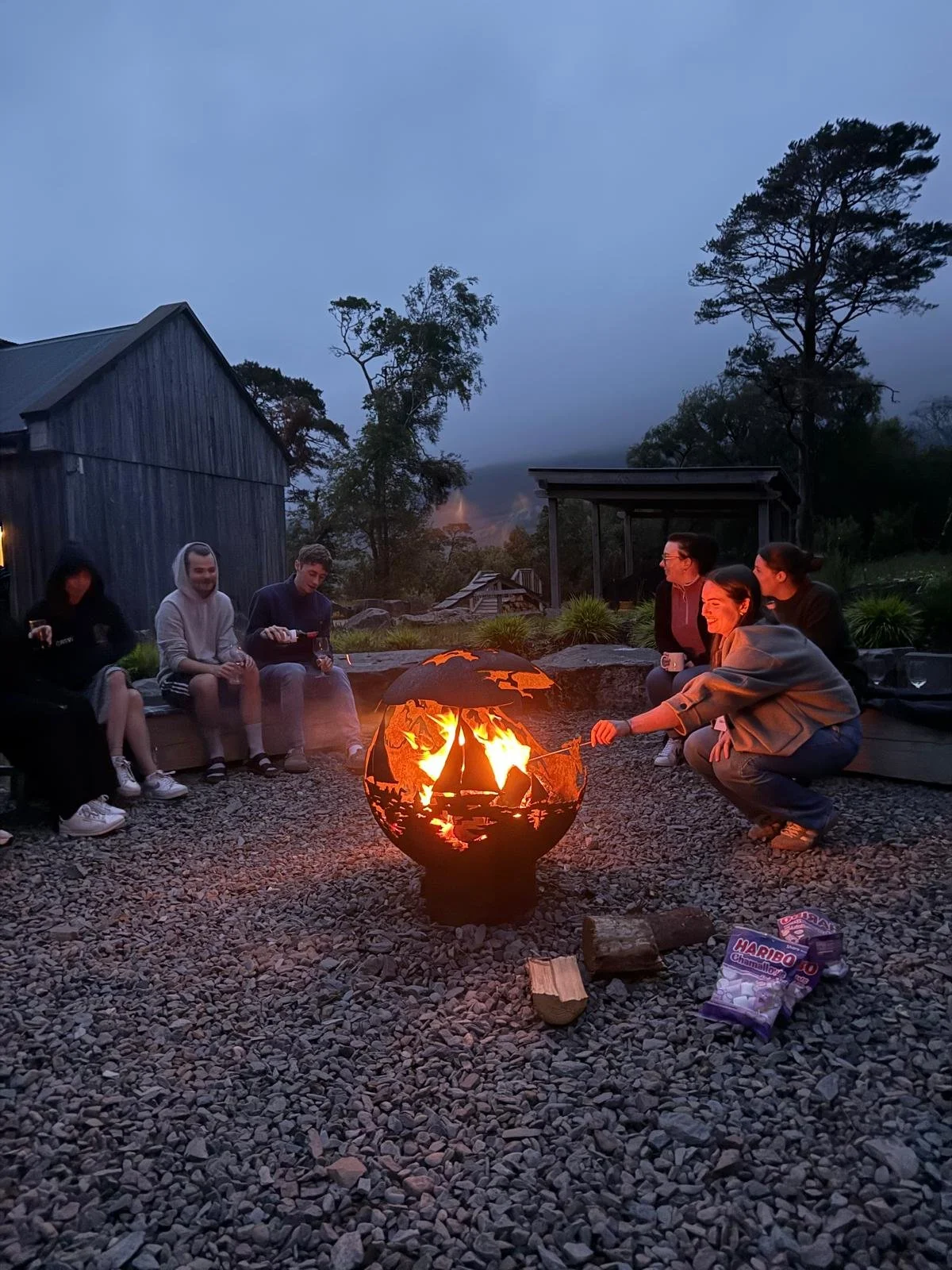
Lodgings with access to facilities (sauna, fire pit, etc) – see above website https://killaryadventure.com/killary-lodge/en/killary-lodge-luxury-holiday-home
This is a non-profit course - none of our faculty are paid
Any extra course fees beyond sustaining costs of running the course in the future will go to supporting the Galway-Baragwanath Fellowship in Trauma Resuscitation as well the Liberia-Galway Emergency Medicine partnership.
Registration is now open - all expressions of interest can be sent to admin@galwayem.ie. Placement on the course is confirmed by non-refundable deposit.
Cancellation Policy:
Any cancellations should be notified to GRA by email; we will confirm your written cancellation on receipt of the email.
Cancellations more than 12 weeks prior to the course date will result in the deposit being forfeit in full.
Cancellations made within 12 weeks of the course date will be liable for 100% of the full fee.
Course Curriculum
HIV, TB, Malaria
Medical support of obstetric emergencies
Core paediatrics for humanitarian disasters
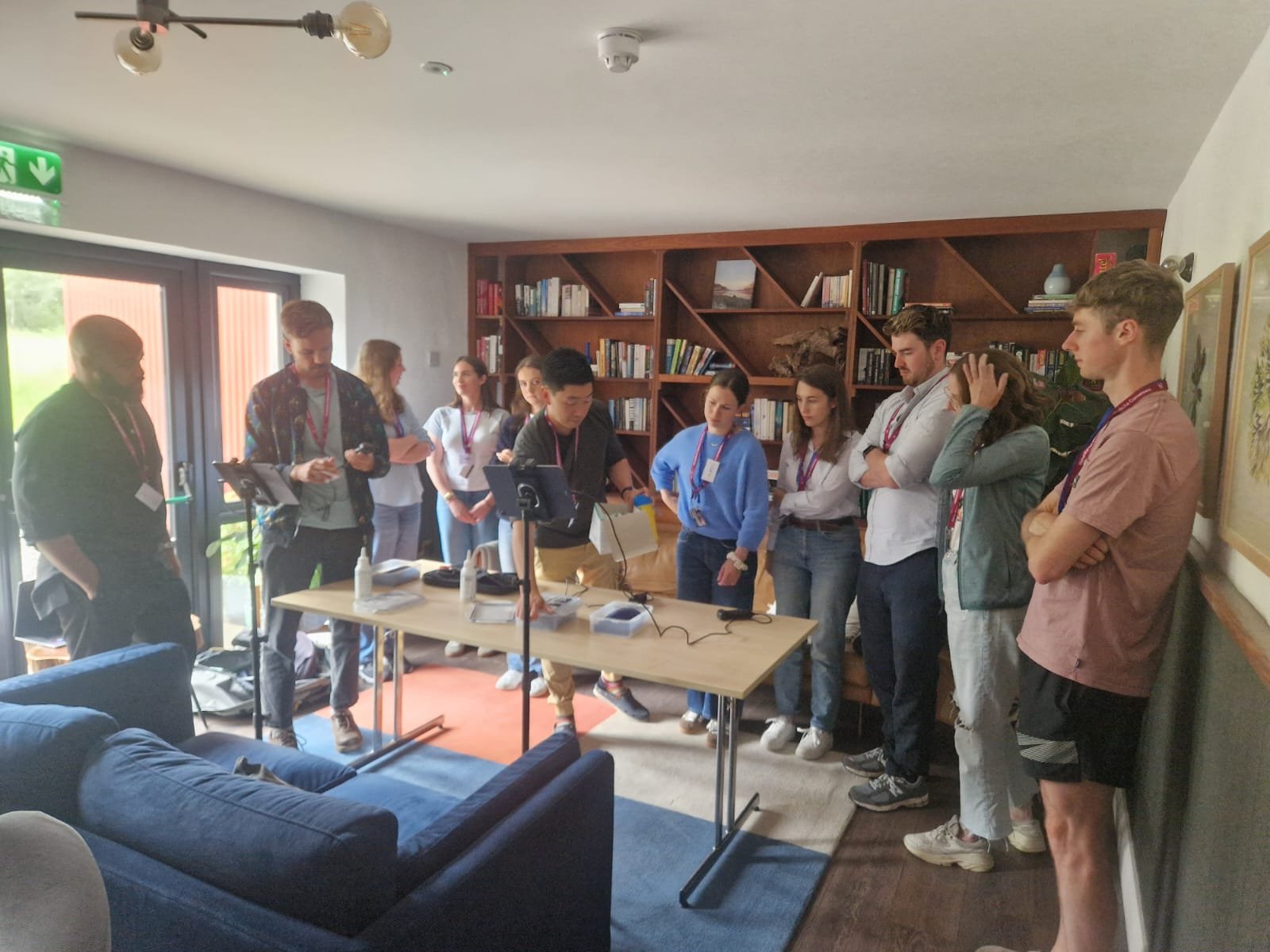
Point-of-care testing in humanitarian medicine (including bedside ultrasound)
Organophosphate poisoning
Tetanus management
Snake bites
Cholera
NCDs in Humanitarian Contexts
The Post-Conflict phase
Viral Haemorrhagic Fever
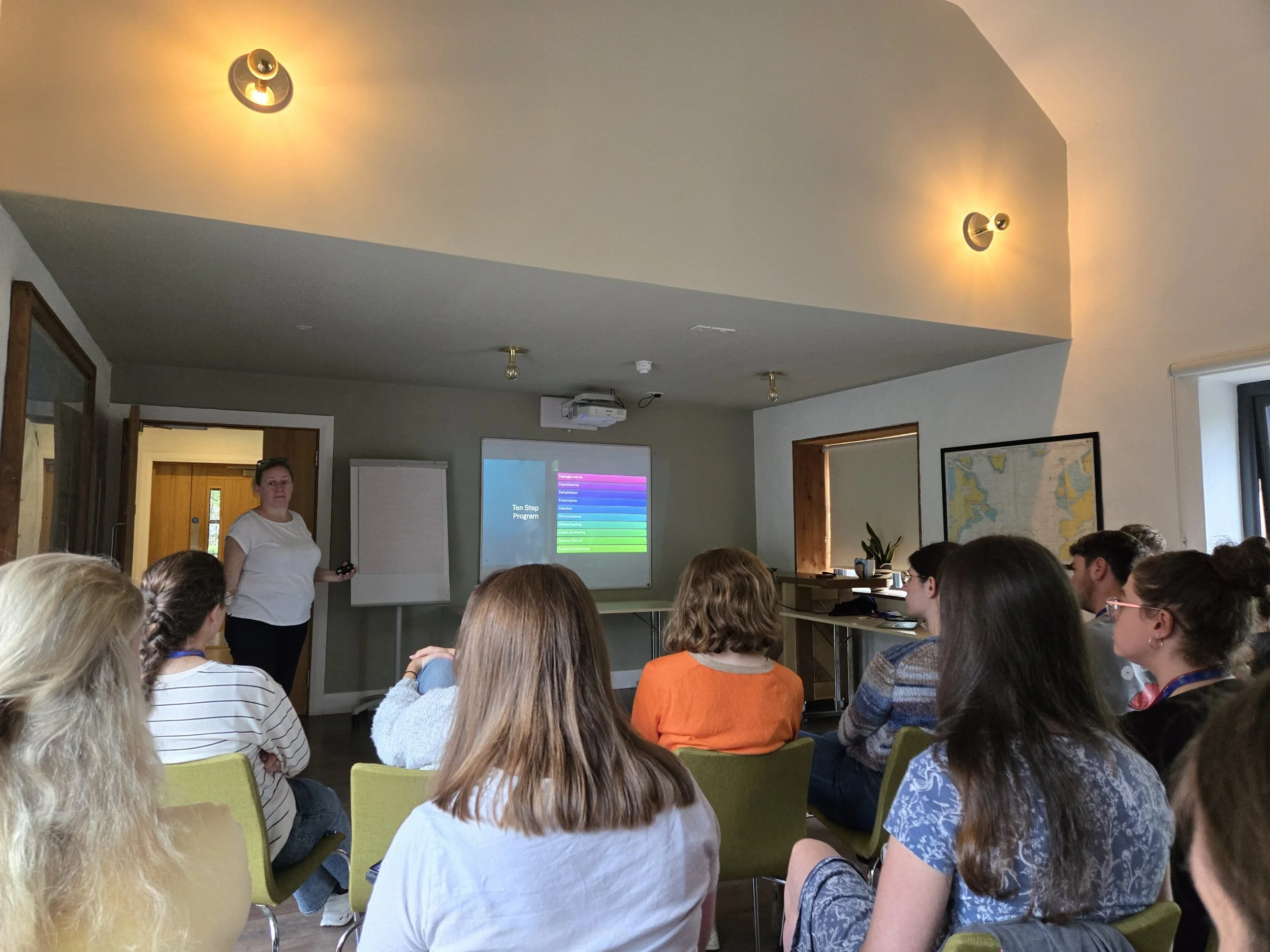
Malnutrition
Occupational Health
Psychological First Aid and Mental Health in humanitarian disaster
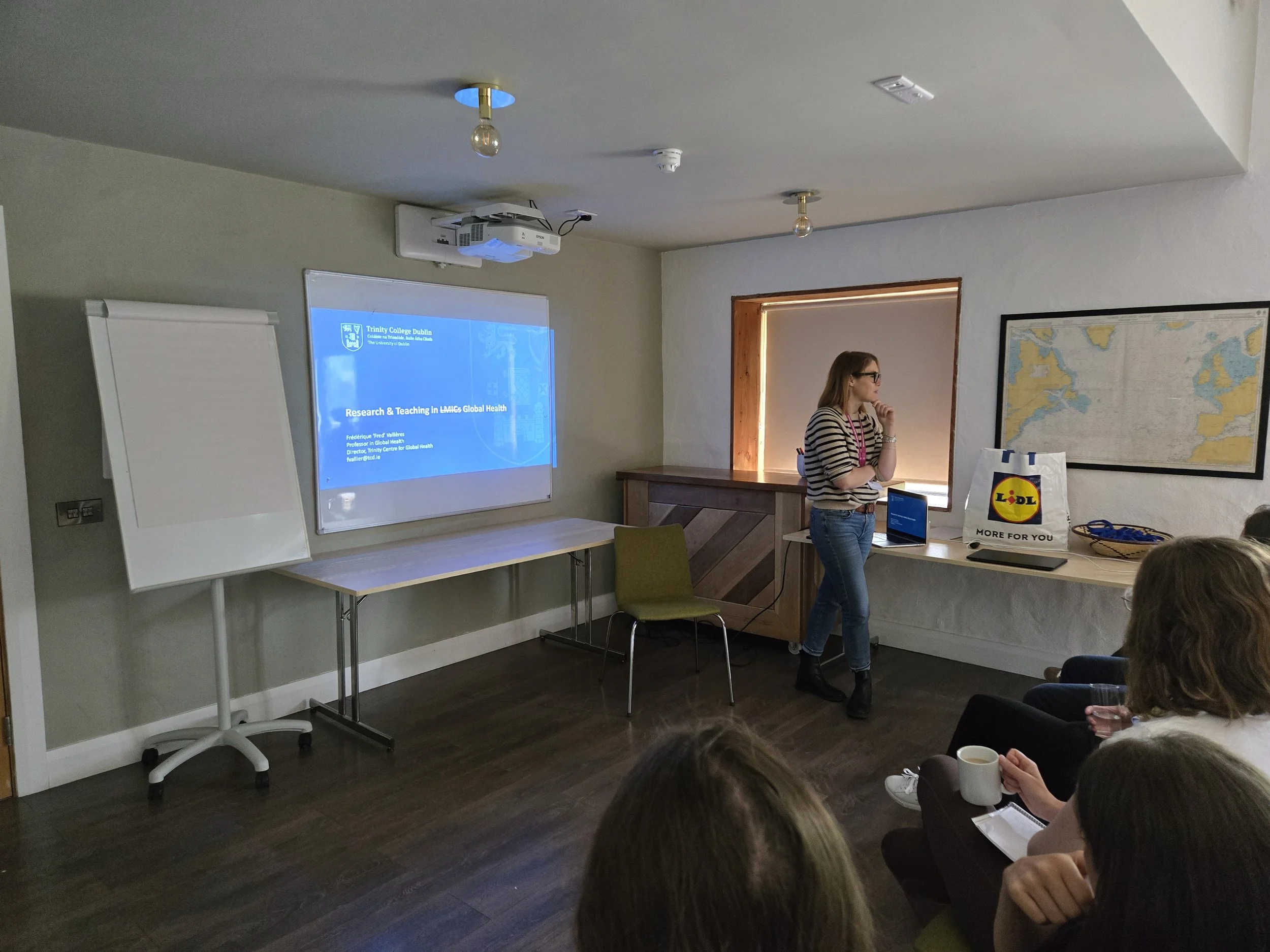
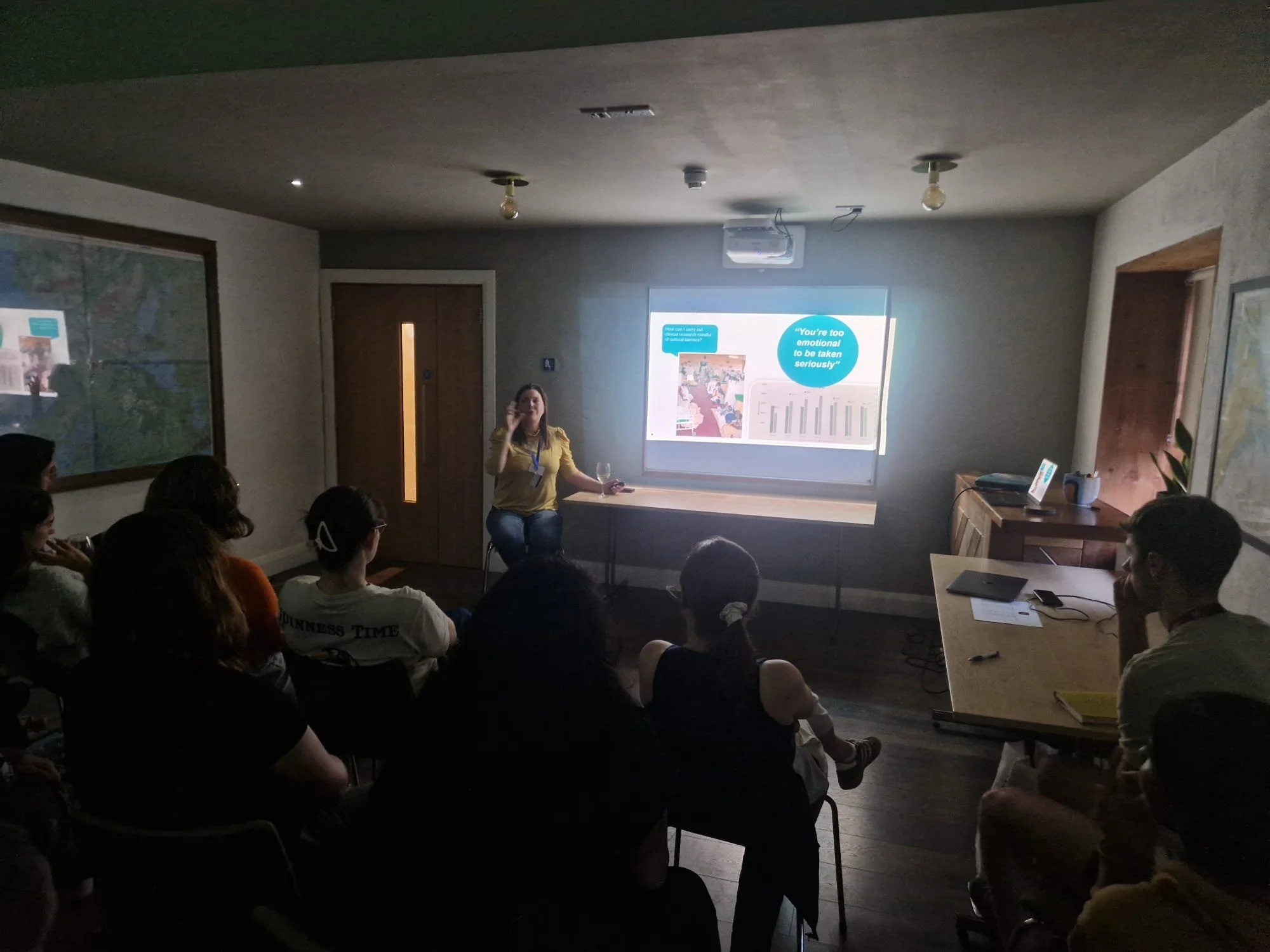
Research & Teaching in LMICs
WHO Emergency Teams
Travel Medicine
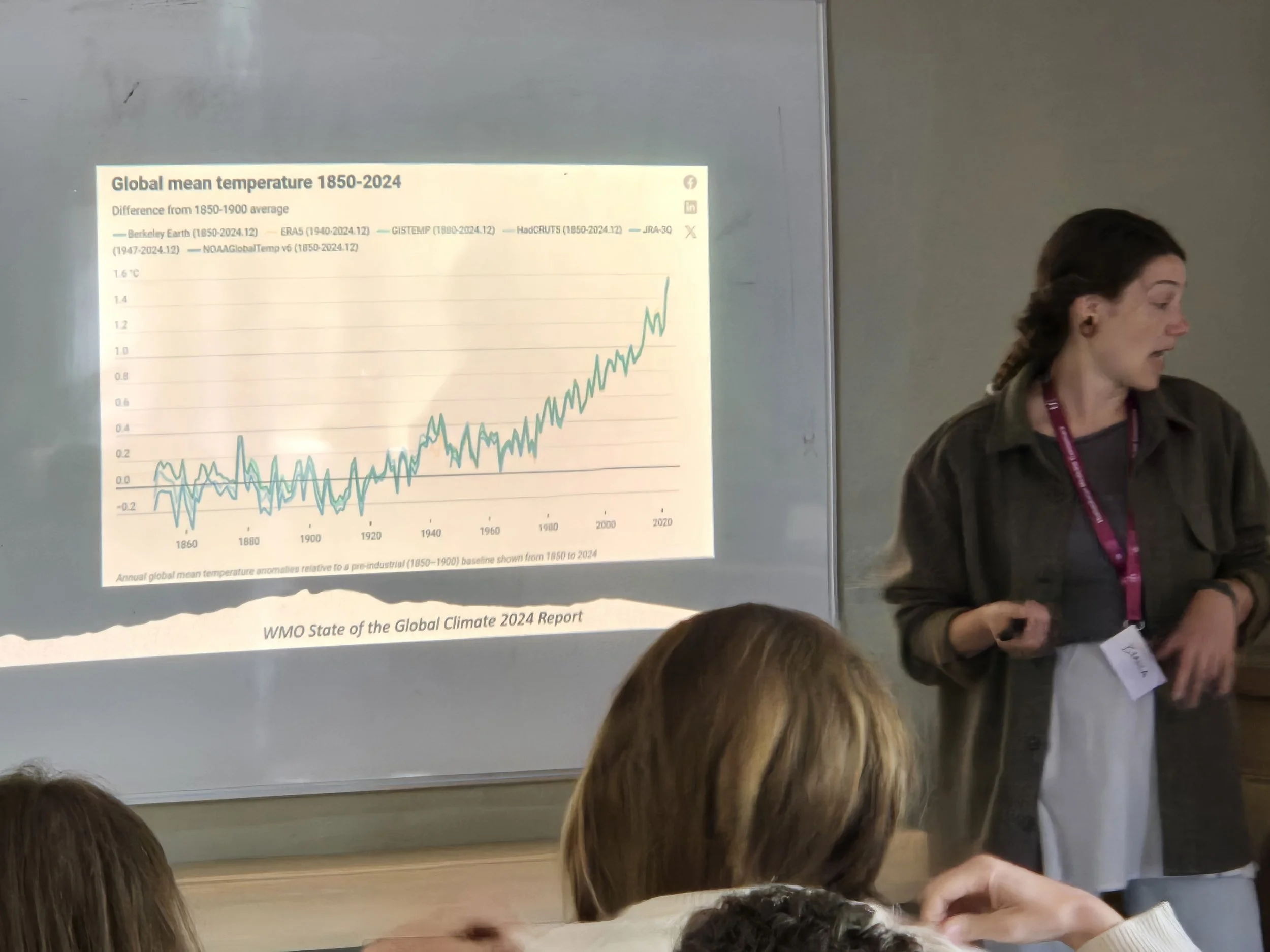
Climate Change and its impact on humanitarian healthcare
Humanitarian ethics
Pandemic preparedness
Course Faculty
-

Dr. Heounohu Hessou
Course Co-Director
Clinical Lead for the Emergency Medicine Programme, JFK Hospital, Monrovia, Liberia
Former COVID-19 National Clinical Lead for COVID-19 Response and former Ebola Treatment Unit Doc.
Dr. Hessou is on currently on leave from Liberia to work on a training secondment in Cape Town, South Africa. -
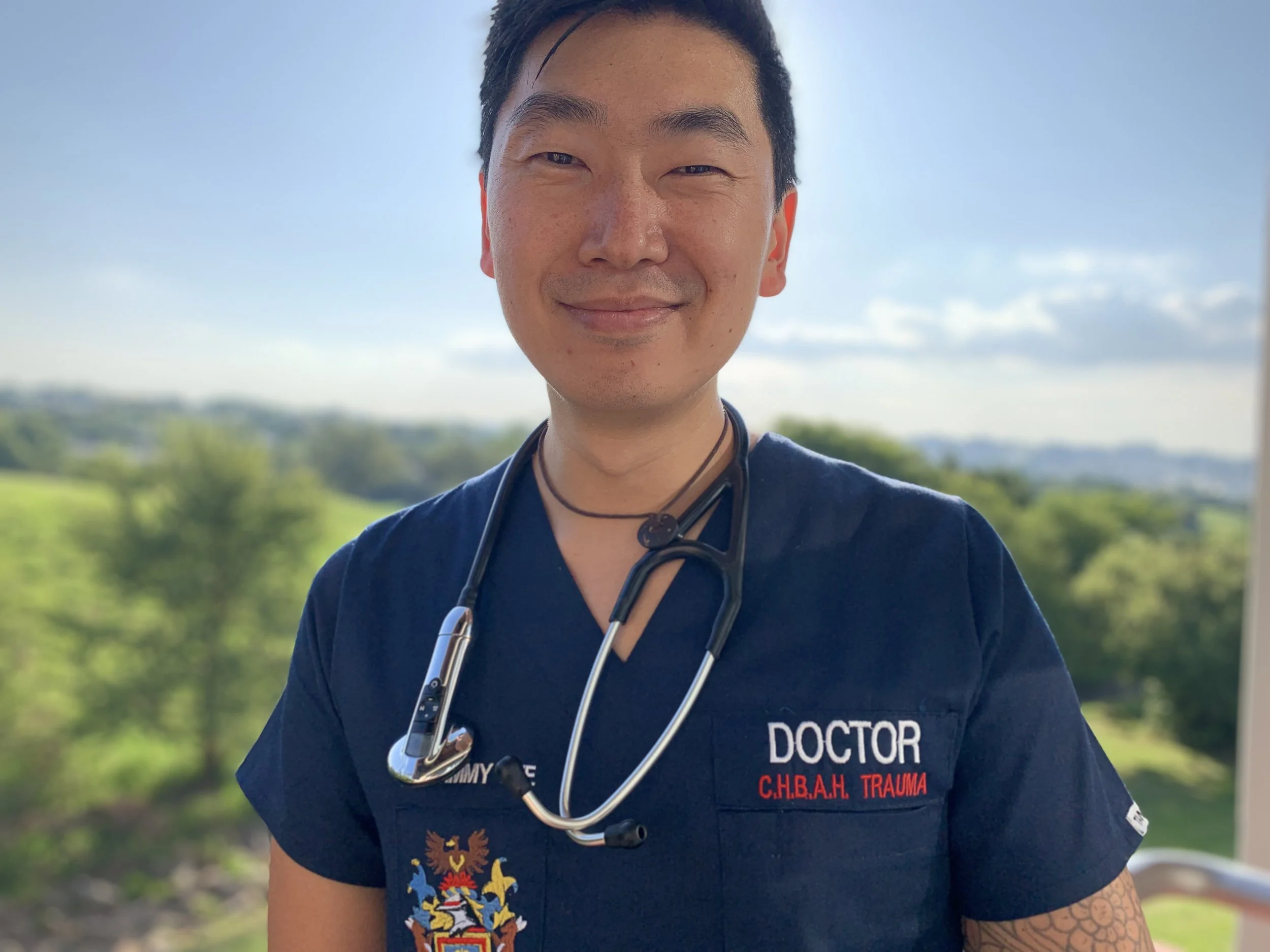
Dr. Jimmy Lee
Course Co-Director
Consultant in Emergency Medicine, University Hospital Galway, Hon. Senior Lecturer in Global Health, University of Galway
Jimmy has worked in ICUs, EDs, and Trauma Surgery in Palestine, South Africa, Afghanistan, Liberia, and Nigeria. He has worked for MSF and local government and received his DTMH and MPH from MSF & LSHTM.
-
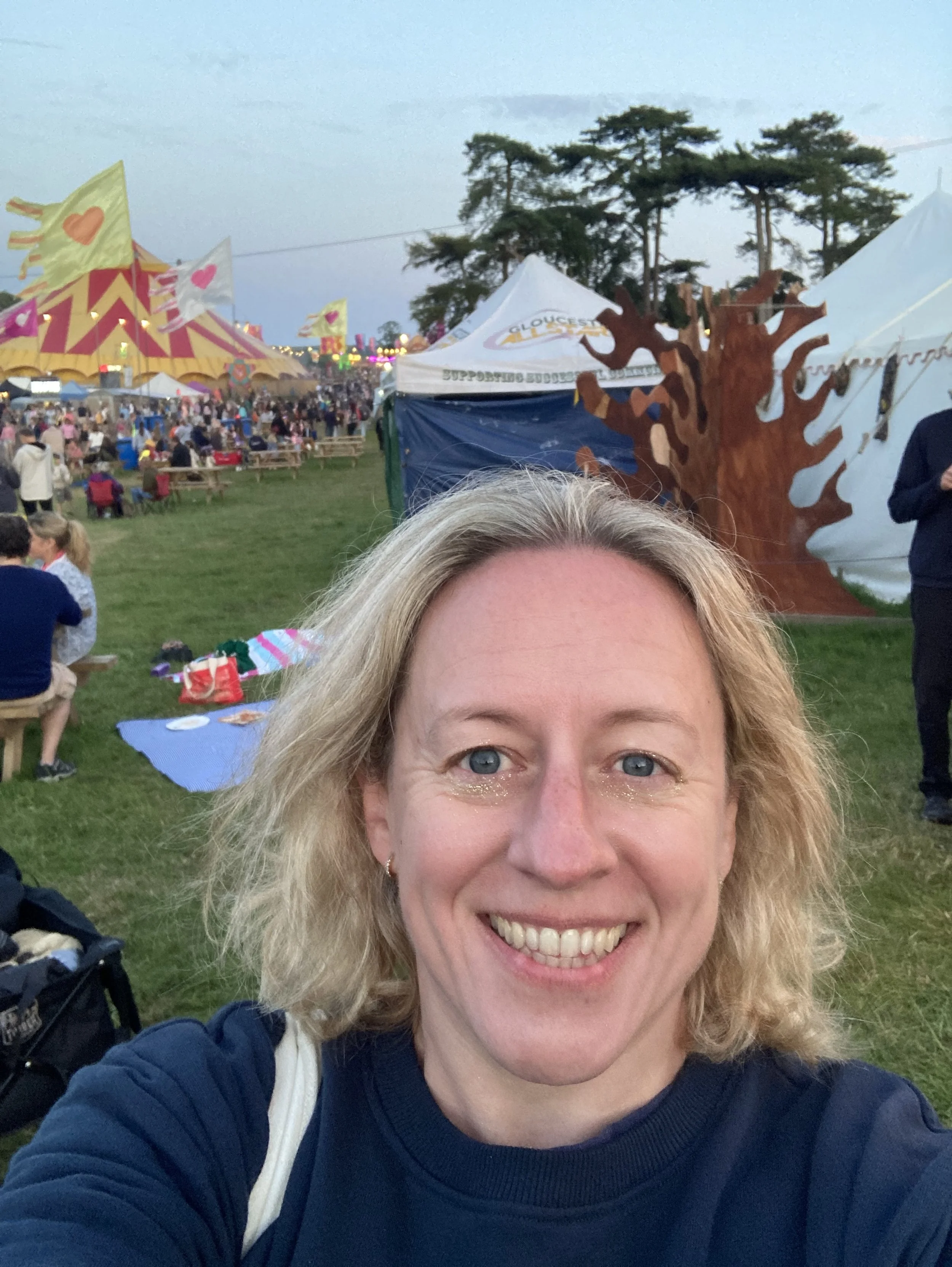
Dr. Deirdre O'Donnell
Consultant in Paediatric Emergency Medicine, CHI Dublin
Deirdre has worked with MSF in Sierra Leone, Afghanistan, and Iraq.
-
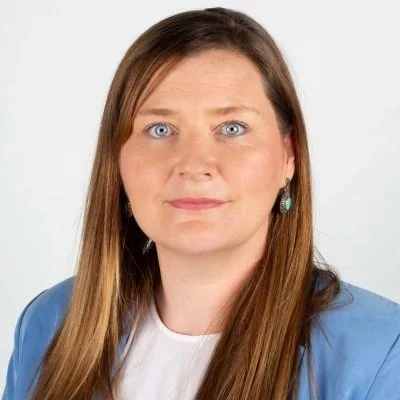
A/Prof. Christine Kelly
Assoc. Professor in Infectious Disease, UCD, Mater Hospital
Christine has a PhD in Global Health from the University of Liverpool with subspecialty training in clinical virology. She has trained in the UK, Ireland, and Malawi.
-

Dr. Callum Swift
Fellow in Intensive Care Medicine, University Hospital Galway
Callum received his DTMH at LSHTM and is currently leading the Green ED initiative at UHG. He has worked in Liberia, Indonesia, and South Africa. He completed his EM specialist training in Ireland and is now completing his ICM fellowship at University Hospital Galway.
-
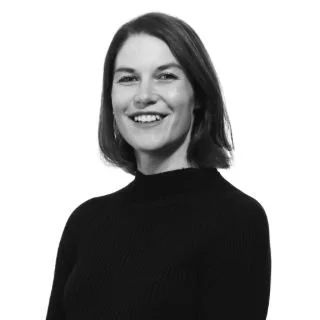
Prof. Frédérique Vallières
Professor in Global Health, Trinity College Dublin
Fréderique is the Director of the Centre for Global Health at TCD. She has worked extensively in Sub-Saharan Africa with a focus on Global Mental Health, Health System Strengthening, and Human Resources for Health.
-
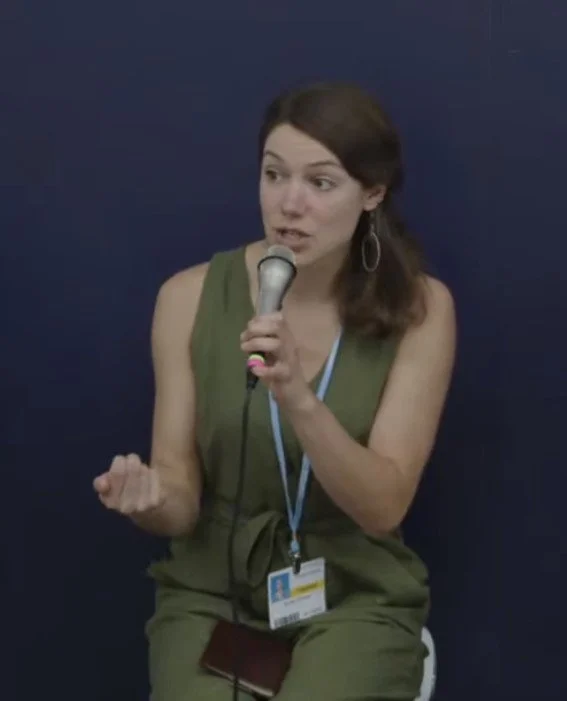
A/Prof. Bianca van Bavel
Assistant Professor in Climate Change and Health, University College Dublin
Bianca is a scientific advisor to the HSE Climate Action Strategy and visiting fellow to the UK Health Security Agency Centre for Climate Change. She has spoken at COP and is an author on the IPCC AR6 report. She has worked in Uganda, Indonesia, and Kenya.
-
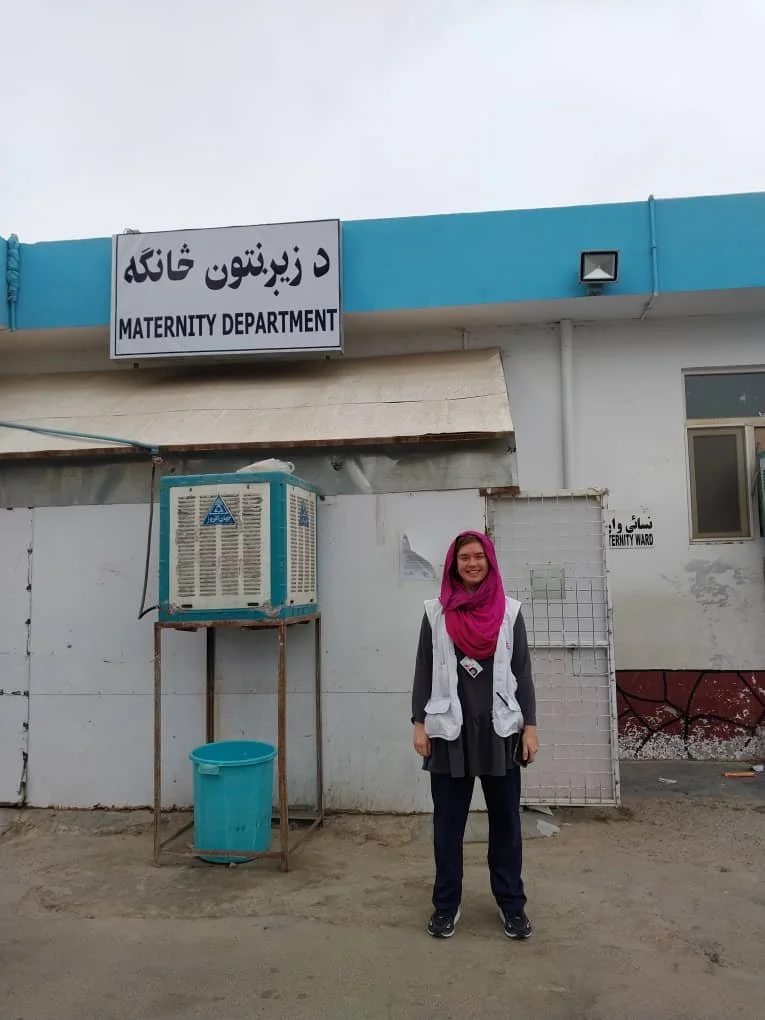
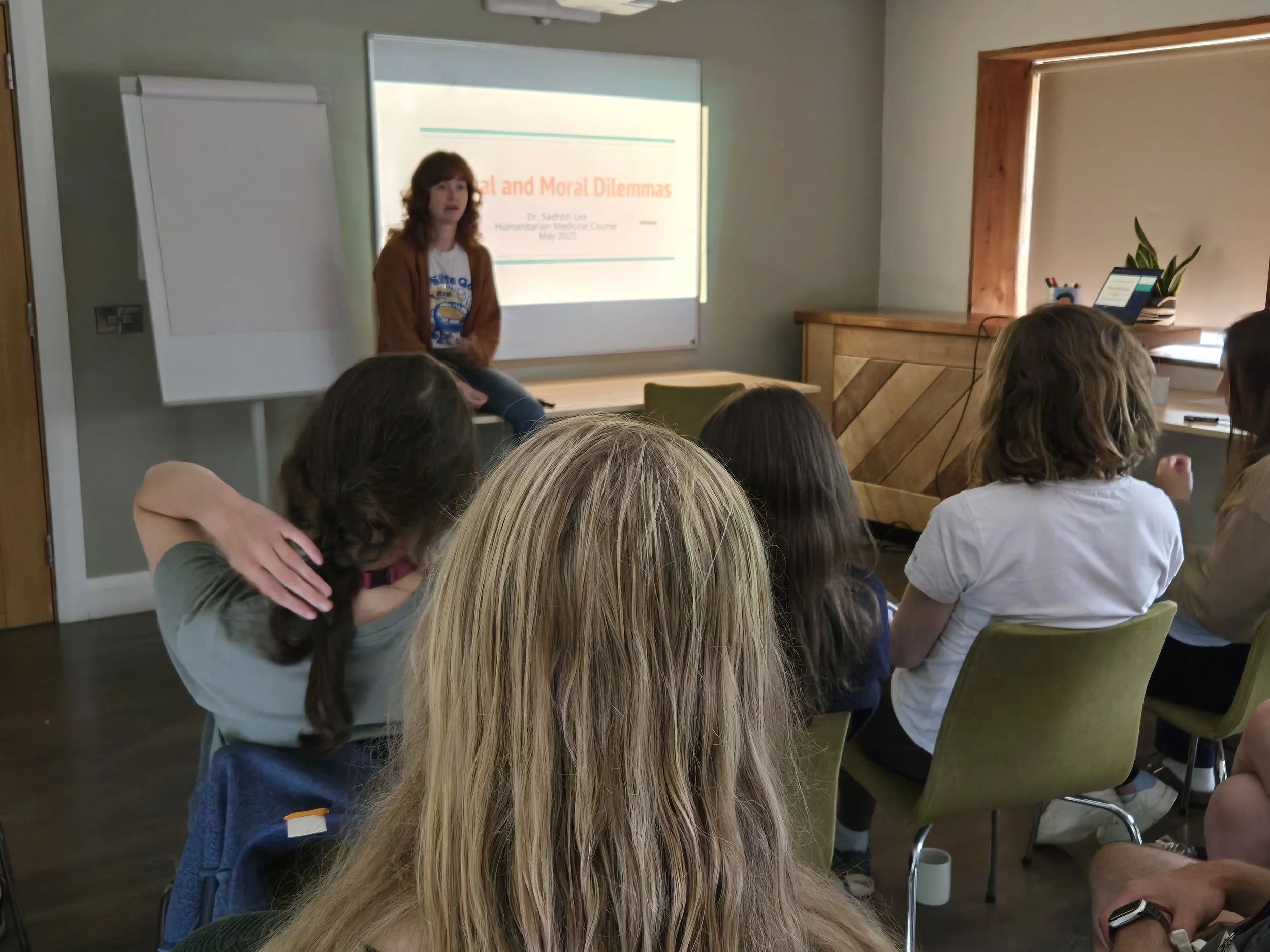
Dr. Sadhbh Lee
OBGYN with Médicins Sans Frontières
Sadhbh is an OBGYN currently working with MSF, most recently in Haiti, but has also worked with them in Afghanistan. She also works frequently in Uganda.
-
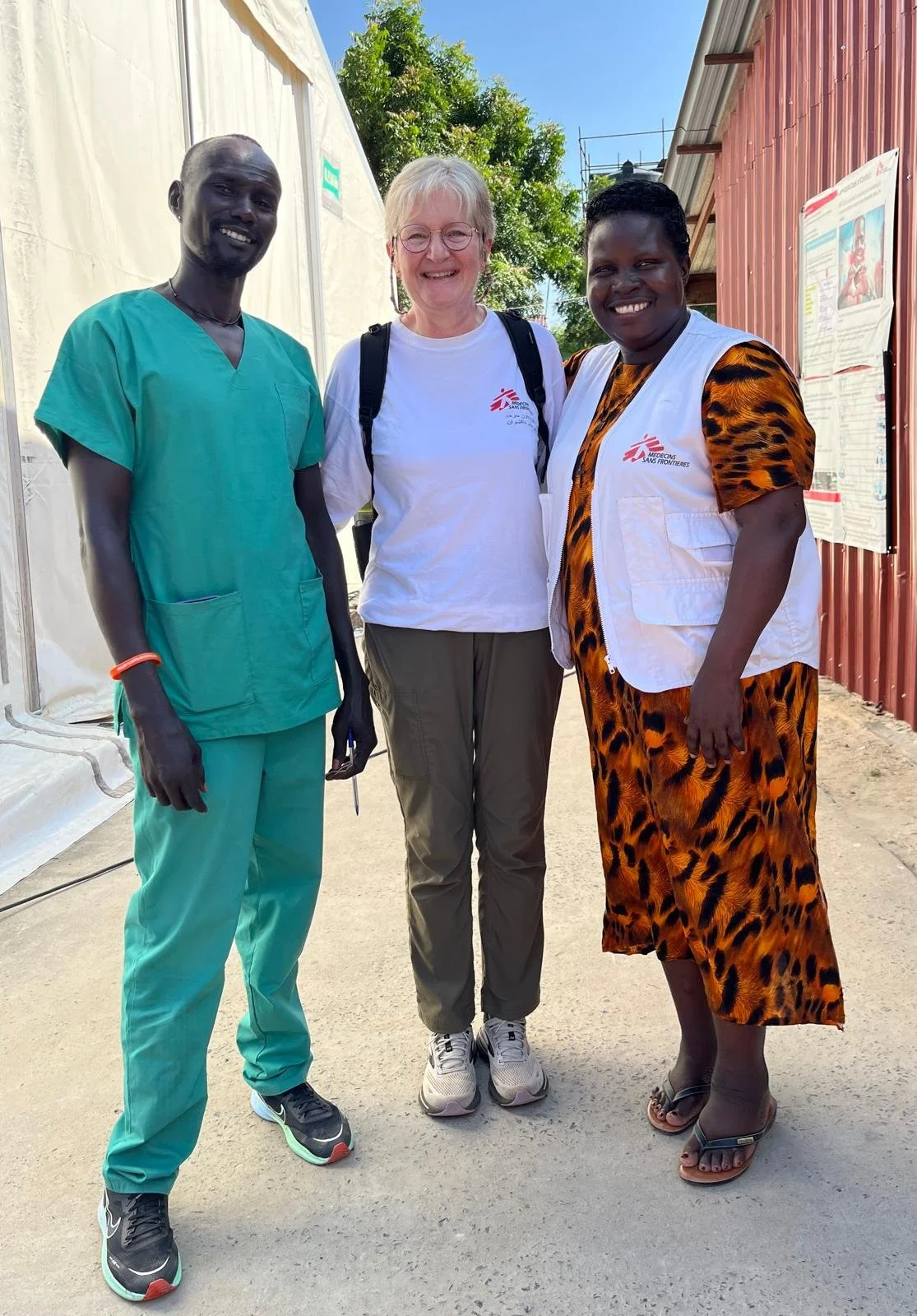
Dr. Méabh Ni Bhuinneain
OBGYN with Médicins Sans Frontières
Méabh is an OBGYN currently working with MSF, most recently in South Sudan and Afghanistan amongst many others. She also founded an ESTHER alliance partnership in Londiani, Kenya with her home hospital of Mayo University Hospital.
-
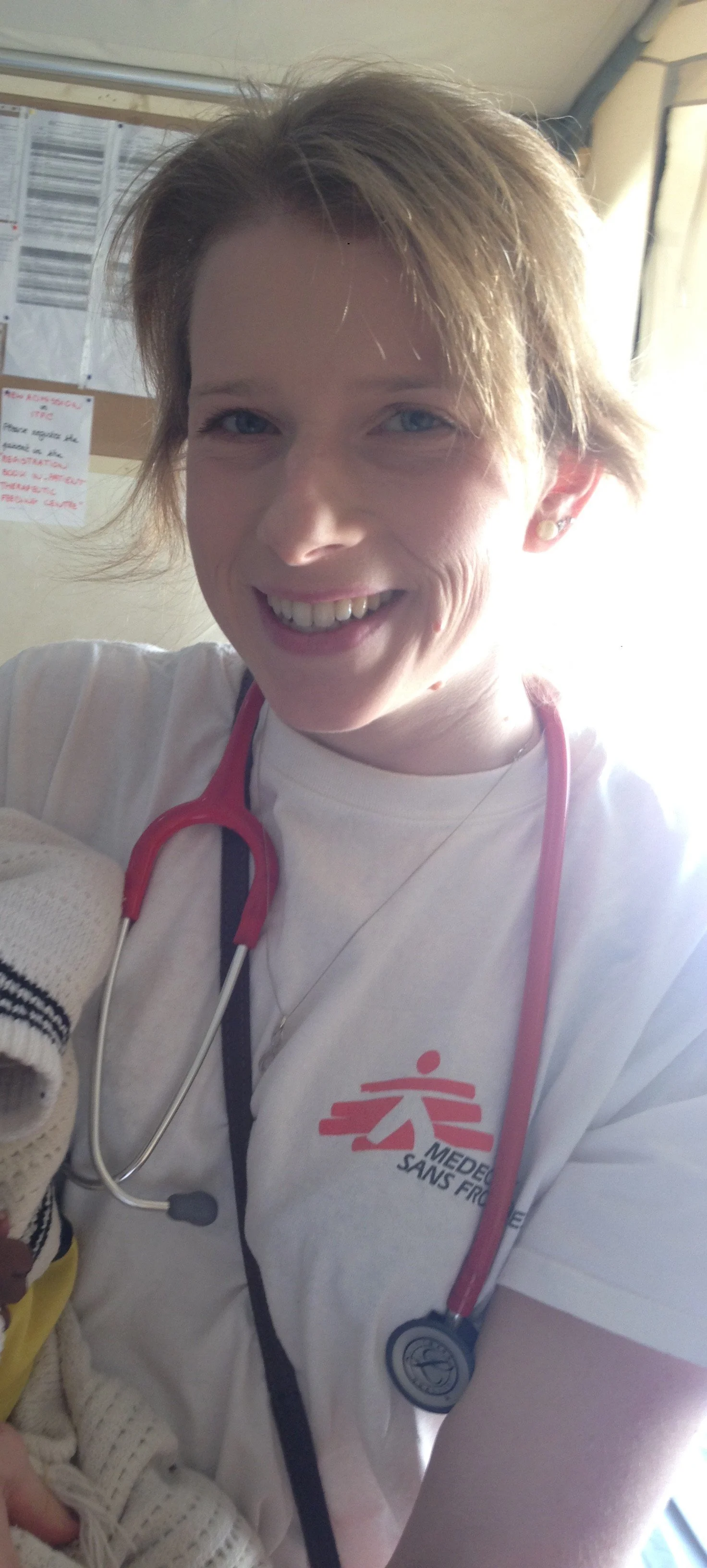
Dr. Niamh O'Brien
Consultant Paediatrician at University Hospital Galway
Niamh has worked with with MSF in Nigeria and Yemen and received her DTM&H from the LSHTM.
-
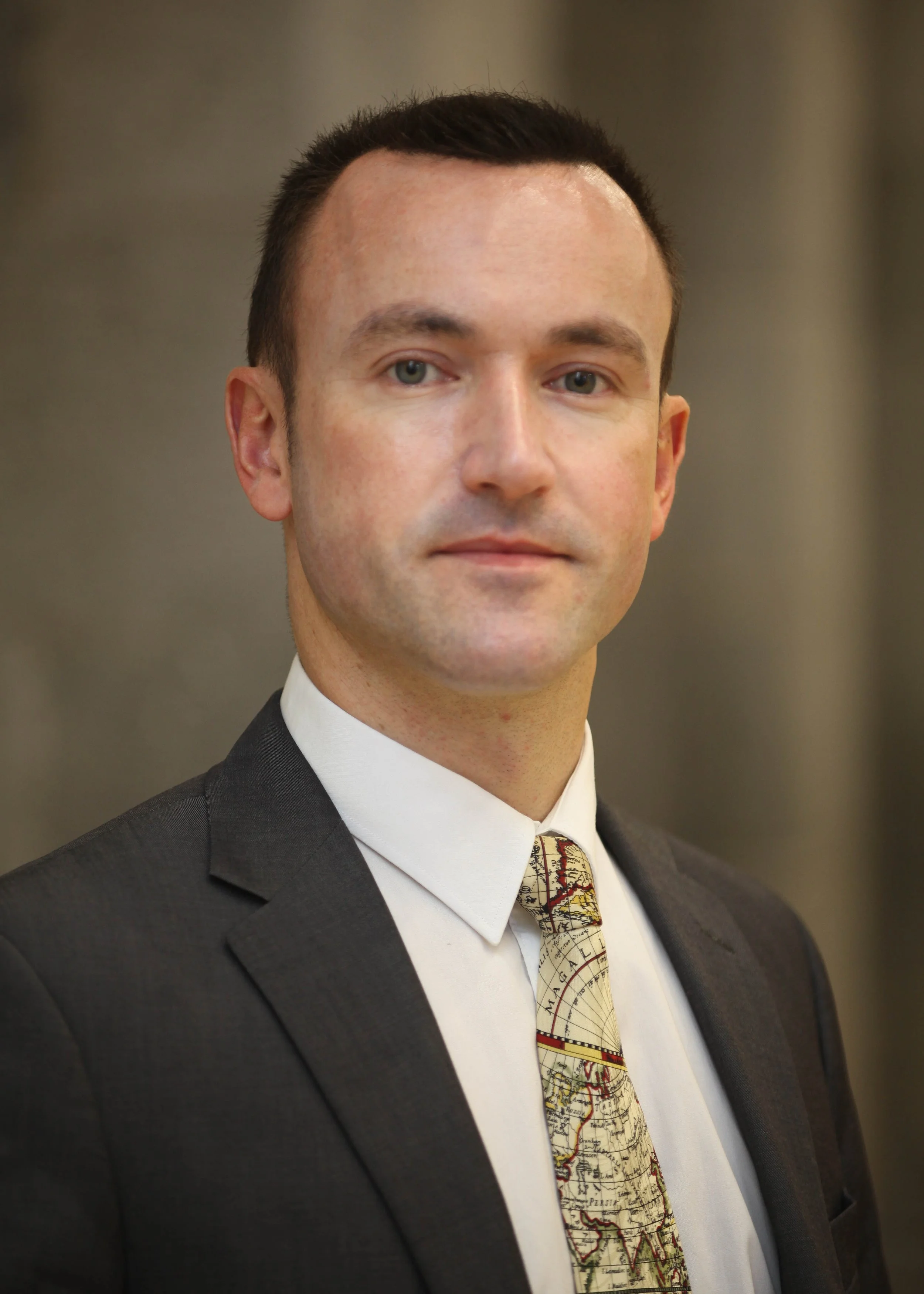
Prof. Gerard Flaherty
Personal Professor of Travel Medicine & International Health at University of Galway
Gerard is a past president of the International Society of Travel Medicine and works in a number of academic institutions abroad, including Thailand and Malaysia.
-
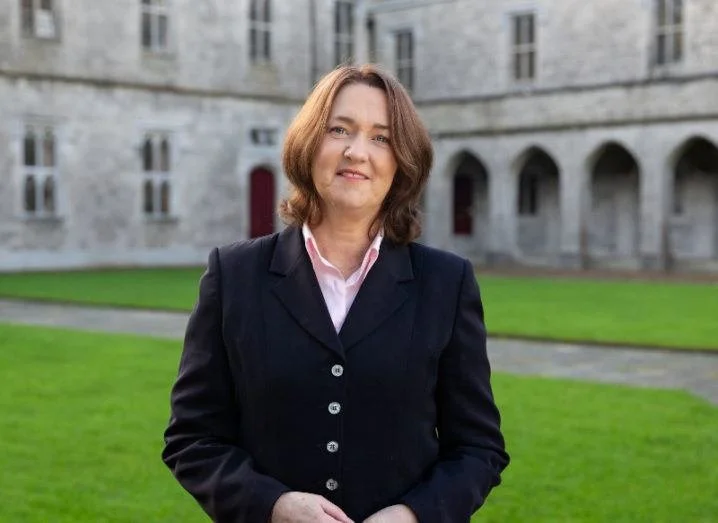
Prof. Máire Connolly
Professor of Global Health at University of Galway
Máire’s areas of expertise include global health security, emerging infectious diseases, pandemic management and humanitarian response.
Prof Connolly worked with the World Health Organisation in Geneva from 1995 to 2012 were she was policy advisor to WHOs Assistant Director-General for Health Security and lead focal point for pandemic preparedness from 2007 to 2012. Prior to that she was WHOs Coordinator for Disease Control in Emergencies from 2000 to 2007. She has worked on UN response teams in over 20 countries including Afghanistan, Kosovo, Iraq, Iran, Gaza, East Timor, Uganda and most recently Jordan as part of WHOs Syrian crisis response.
-
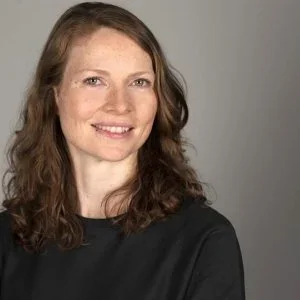
A/Prof. Éimhín Ansbro
Assistant Professor in NCDs in Humanitarian Settings and Deputy Director of the Centre for Global Chronic Conditions at the London School of Hygiene & Tropical Medicine
Éimhín is a practicing GP, and has worked with MSF as project doctor and NCD consultant, and now focus on research supporting implementation, advocacy and policy to improve NCD care in Emergencies.
Partners

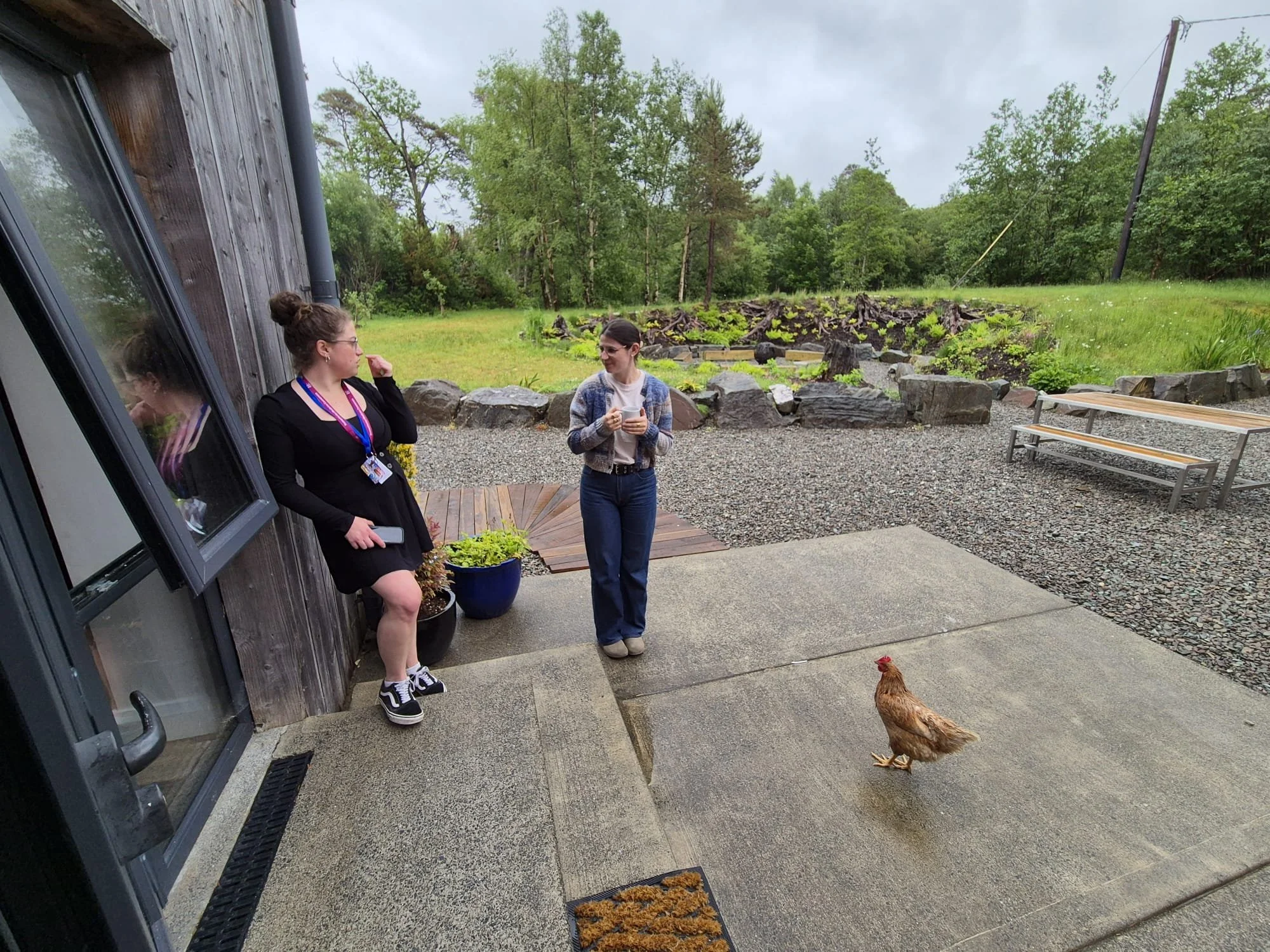
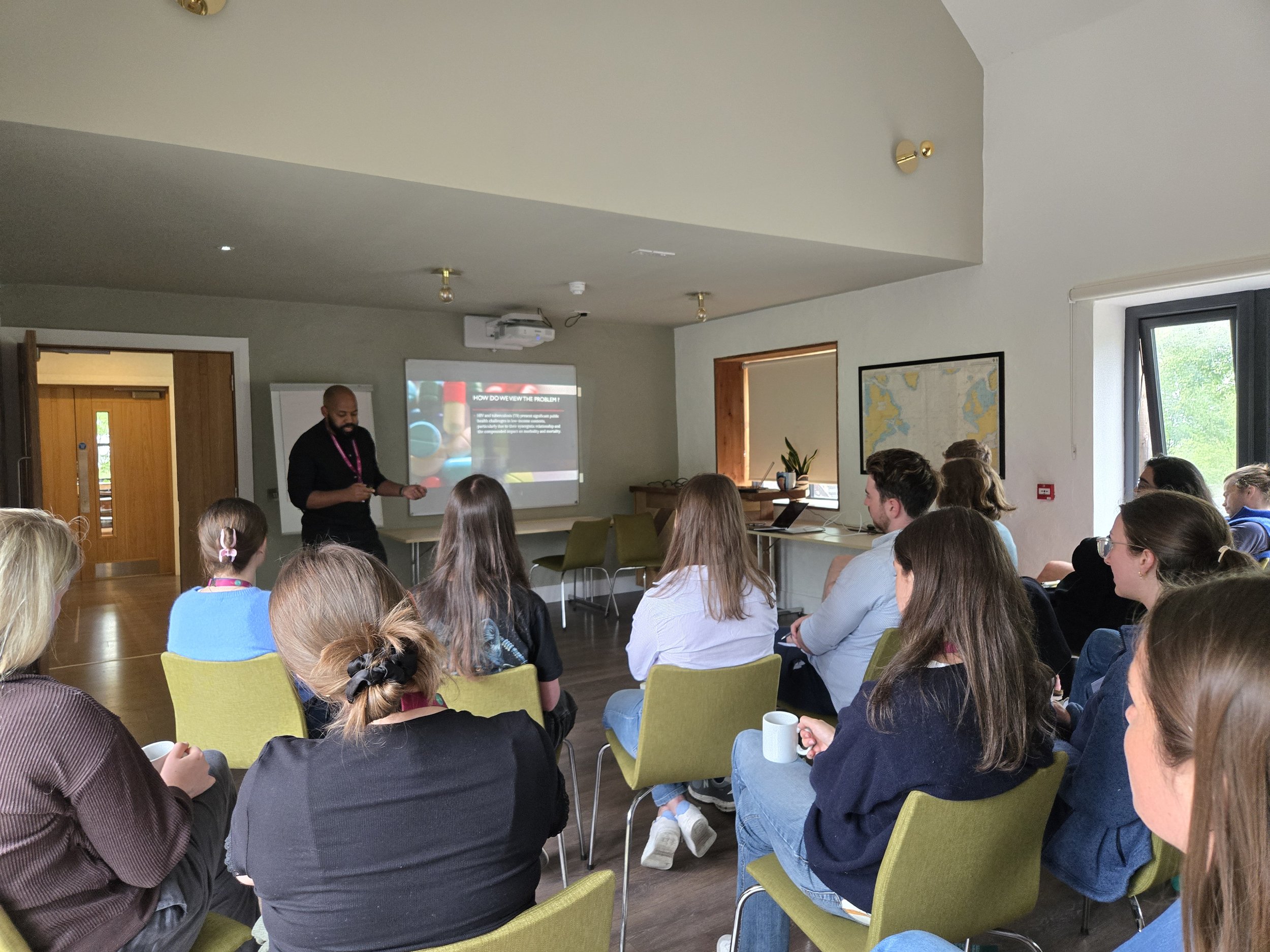
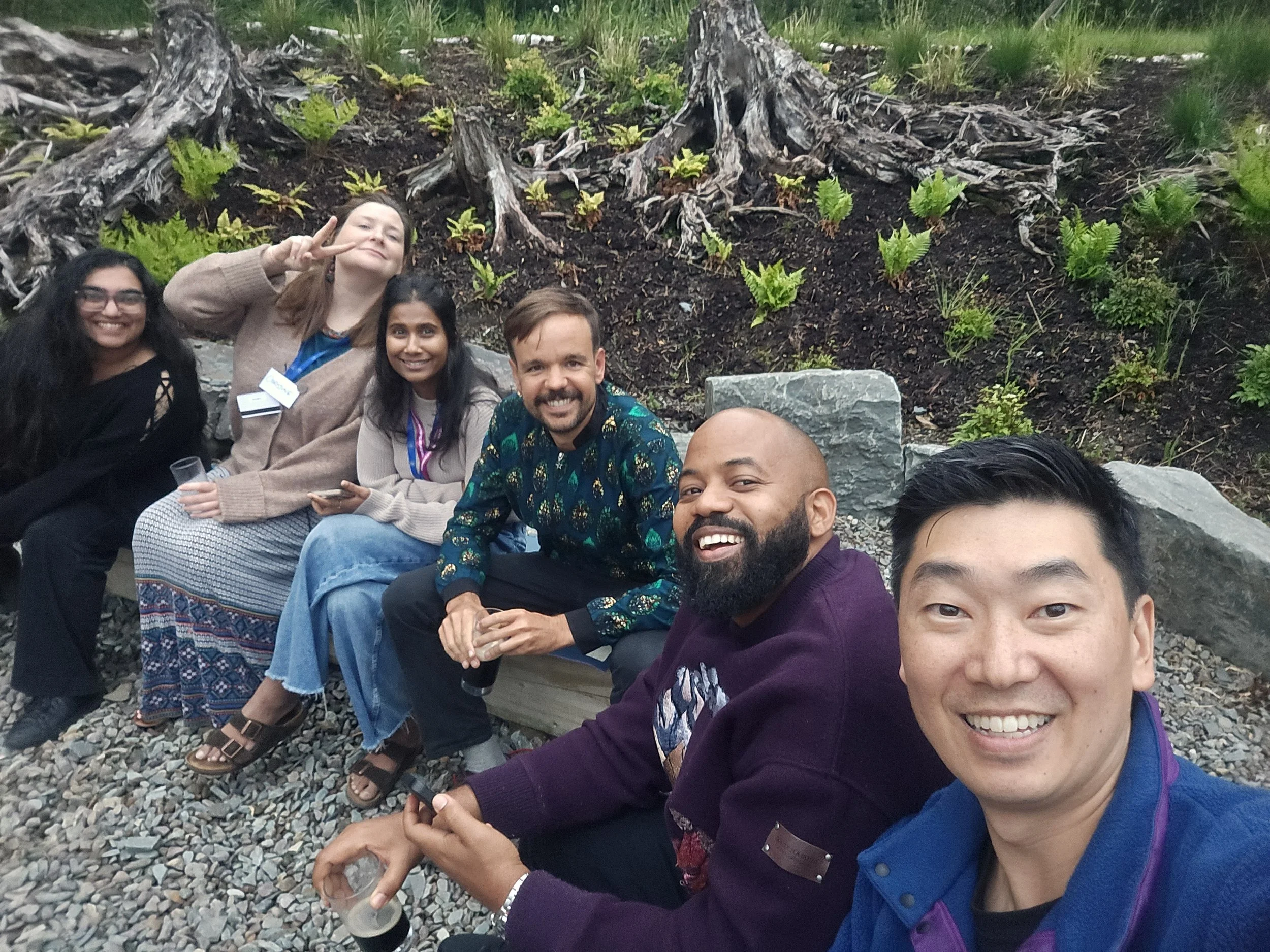
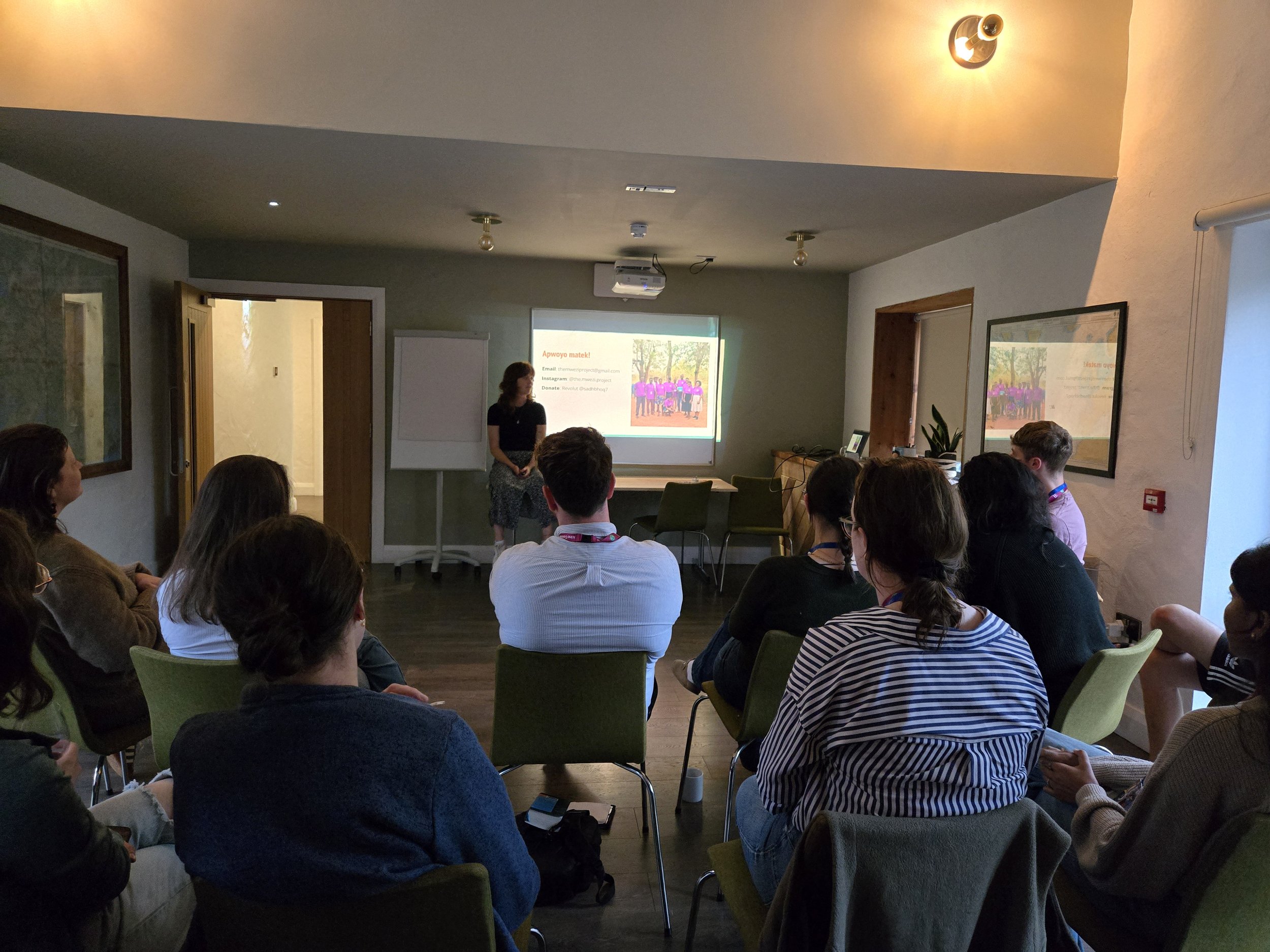


Feedback from previous courses
-
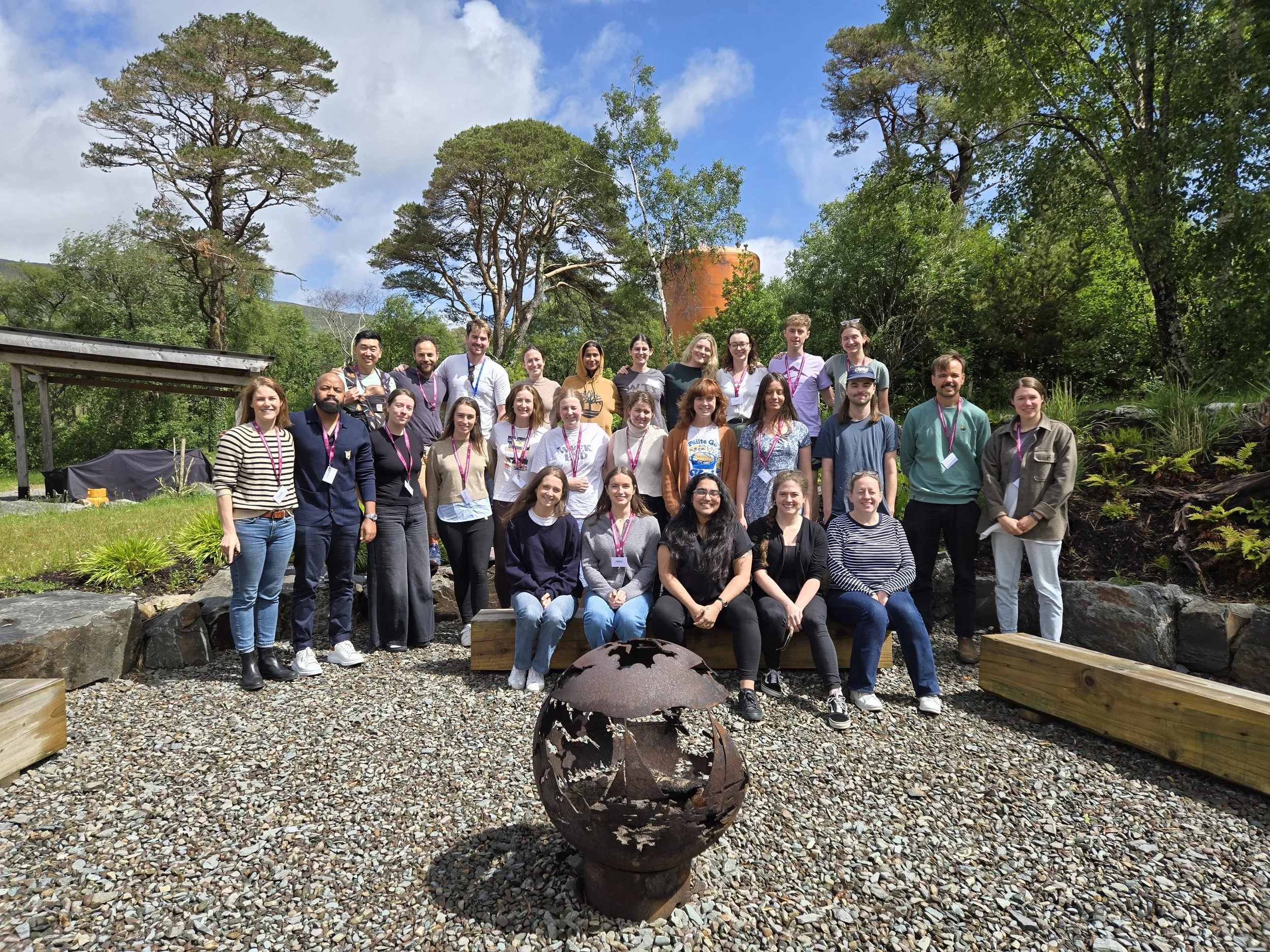
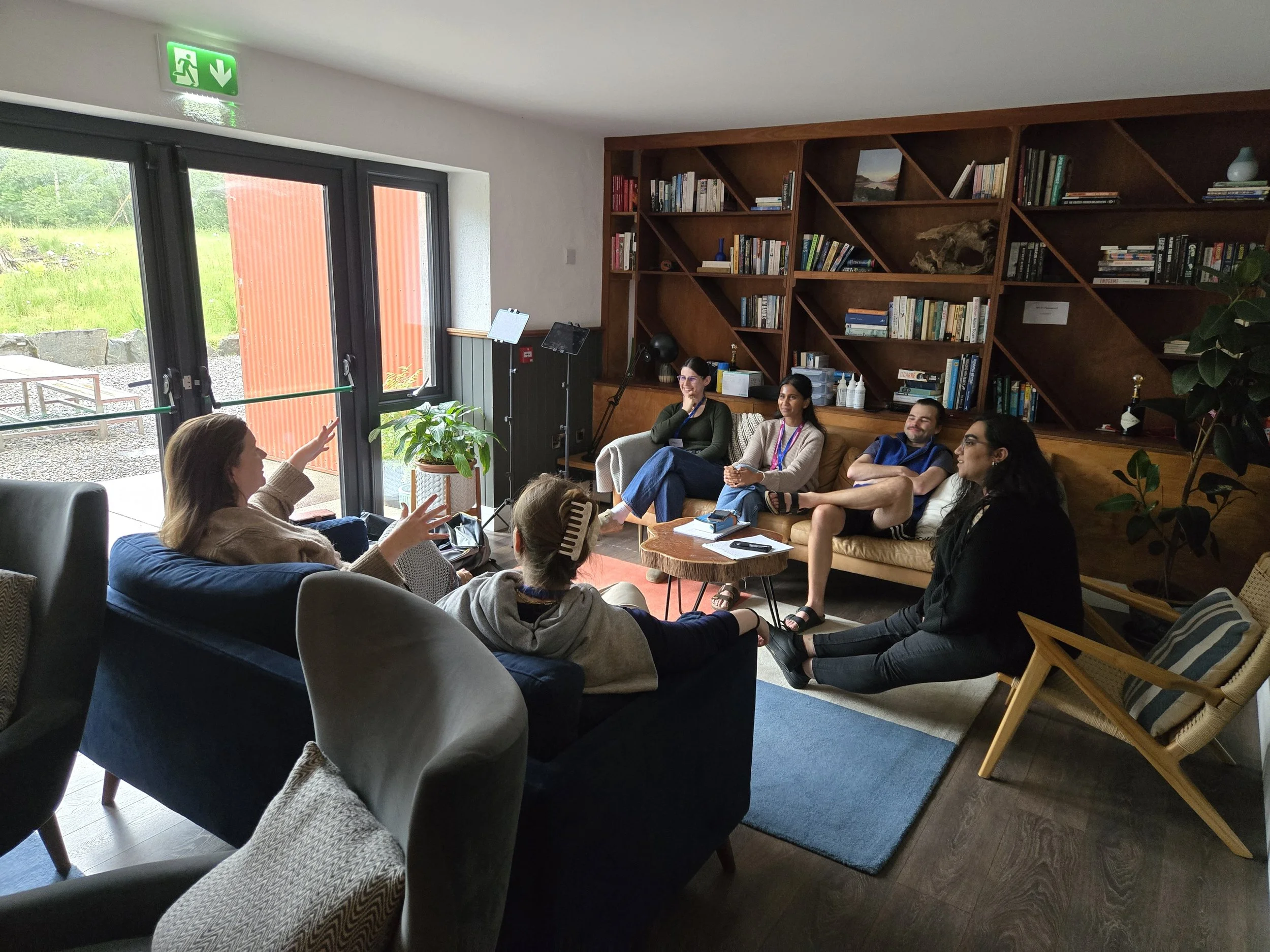
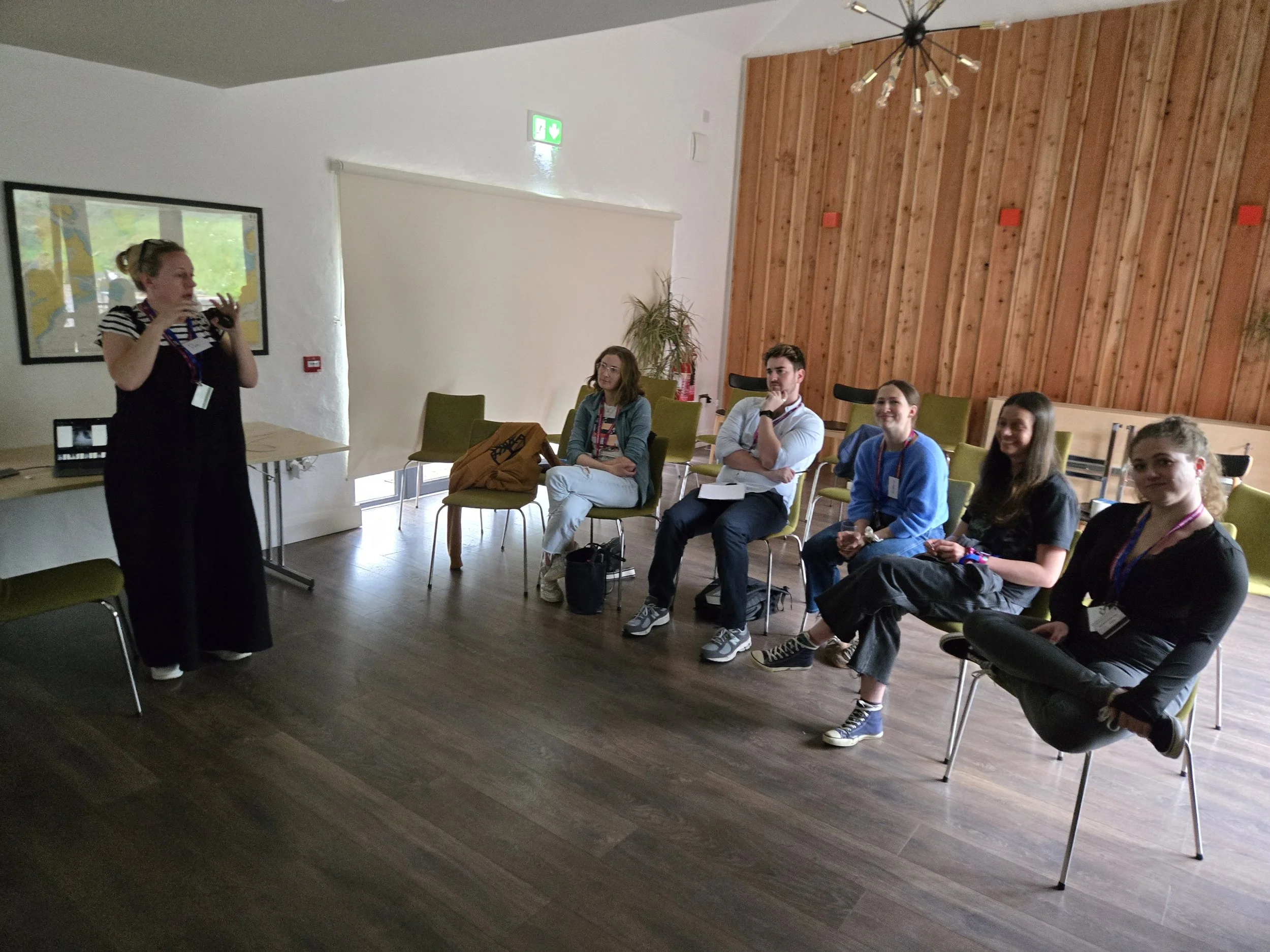
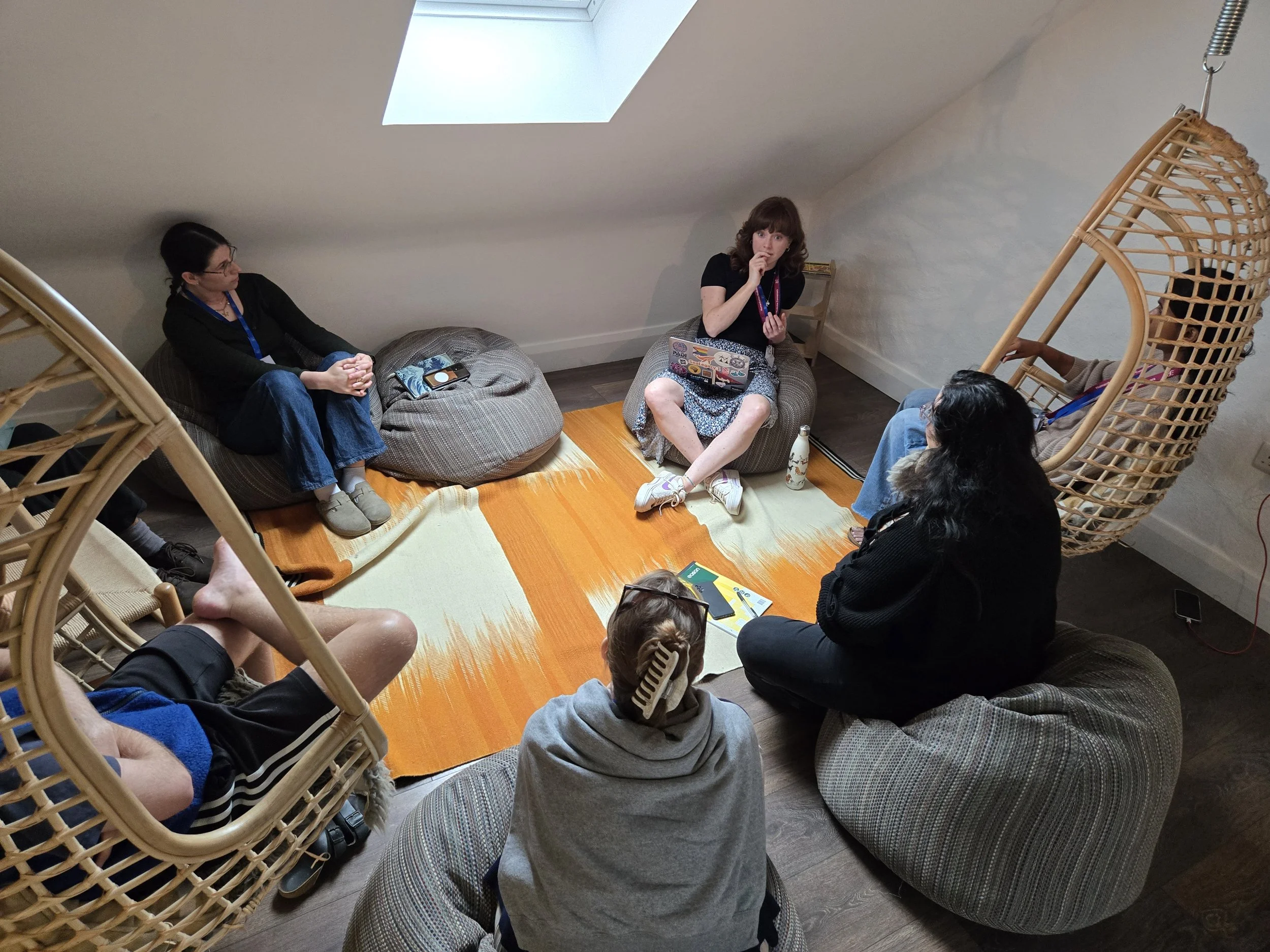
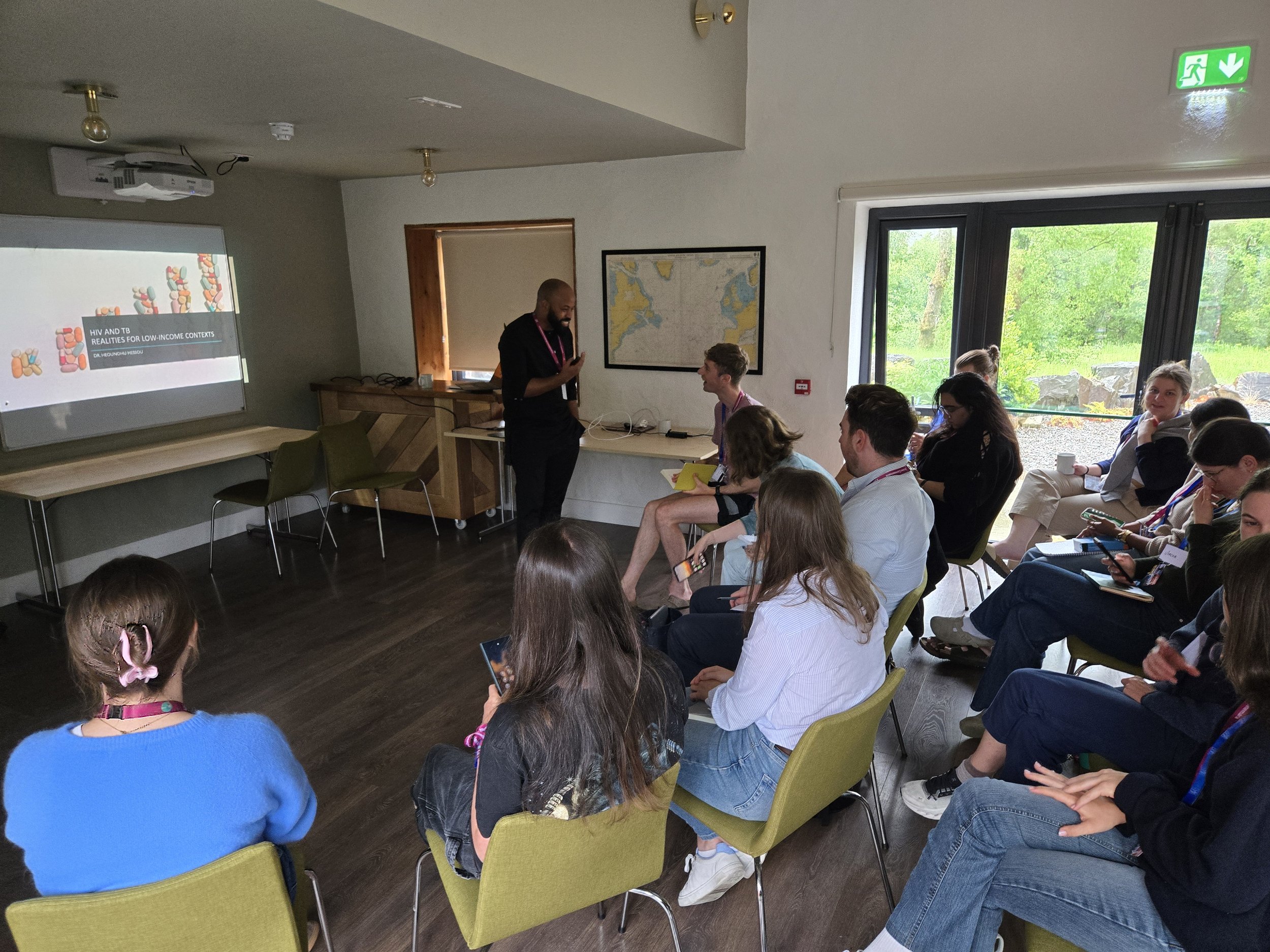
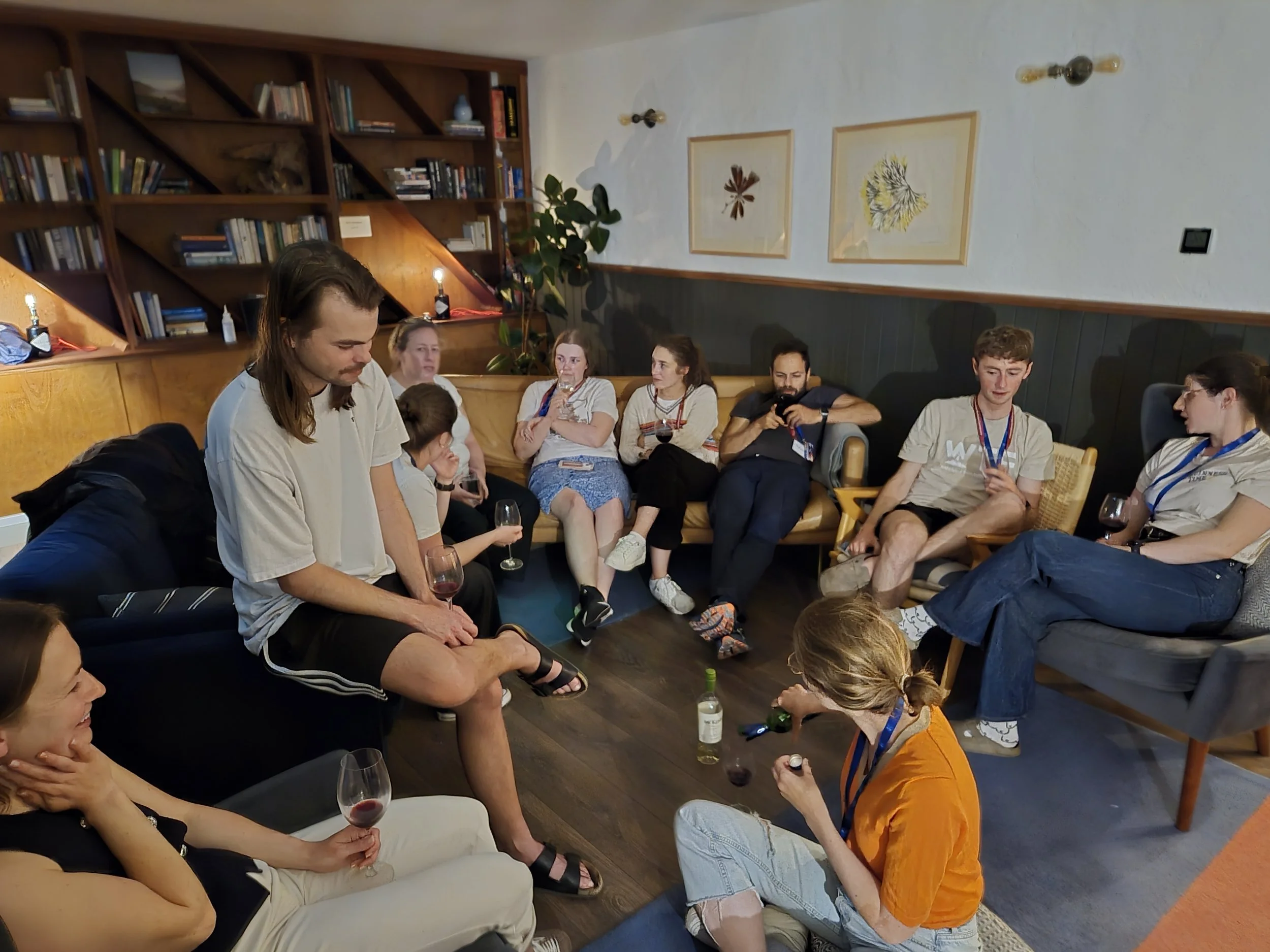
Excellent course. Came away with loads to think about and a whole new understanding of humanitarian medicine. It was a great opportunity to meet other like minded people from Ireland and beyond. Faculty members bringing their entire families to the course just sums up how personal and open the whole course felt. Sitting down beside the faculty at lunch, dinner or in the evening and being able to chat informally was invaluable and something very unique to this course.
GP, Mayo
-
Every single talk was interesting and thought provoking. The informal chats with faculty and students over food/evenings was also invaluable. You guys have so much practical real world knowledge and it was amazing to learn from you all. The course could have gone on for another three days and I'd have been delighted!
EM SHO, Galway
-
I honestly think this course has been eye opening and finally now I found my why and purpose and this truly meant a lot to me. Hope to someday be part of what humanitarian is.
EM Registrar, Galway
-
The course makes you look at life from the perspective of underground mycelium for which there are no borders, there are only people waiting to engage in symbiotic reaction with you. People who are the same all over the world just shaped differently by the environment they live in. No matter if I ever decide to do humanitarian work or nor this feeling will stay with me wherever I go. Big thanks to all of the passionate fantastic teachers
GP Registrar, Kerry
-
Everyone was fantastic and it was great to hear from different perspectives. The ethical cases were particularly thought provoking.
GP SHO, Galway
-
What I really liked about this course was that there was a strong emphasis on the realities, difficulties, and ethical considerations in humanitarian medicine. It can be easy to romanticise this kind of work, but I found that this course had a balanced and realistic representation. I left feeling inspired and better prepared to work in humanitarian medicine.
Intern, Letterkenny